First Nations Women in Public Policy: shaping policy from inside and out
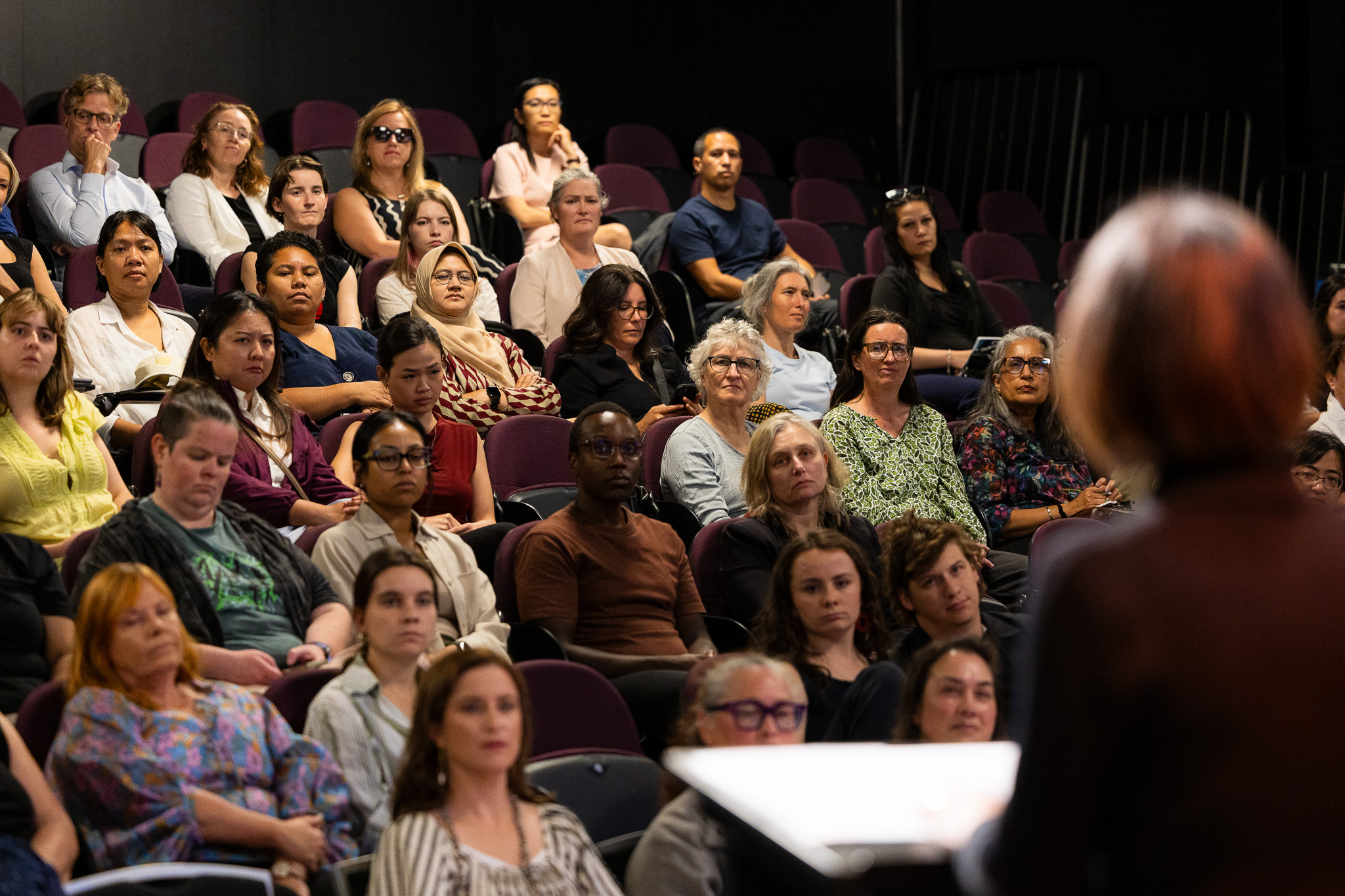
On 12 March, friends and colleagues near and far gathered at Theatre 2, Lowitja O'Donoghue Cultural Centre, to celebrate International Women's Day and explore the 2026 theme, "Balance the scales".
This evening brought together graduates, alumni, academics, policy advocates and makers, and First Nations leaders, to explore how to build a more just and equitable world for First Nations women and children in Australia.
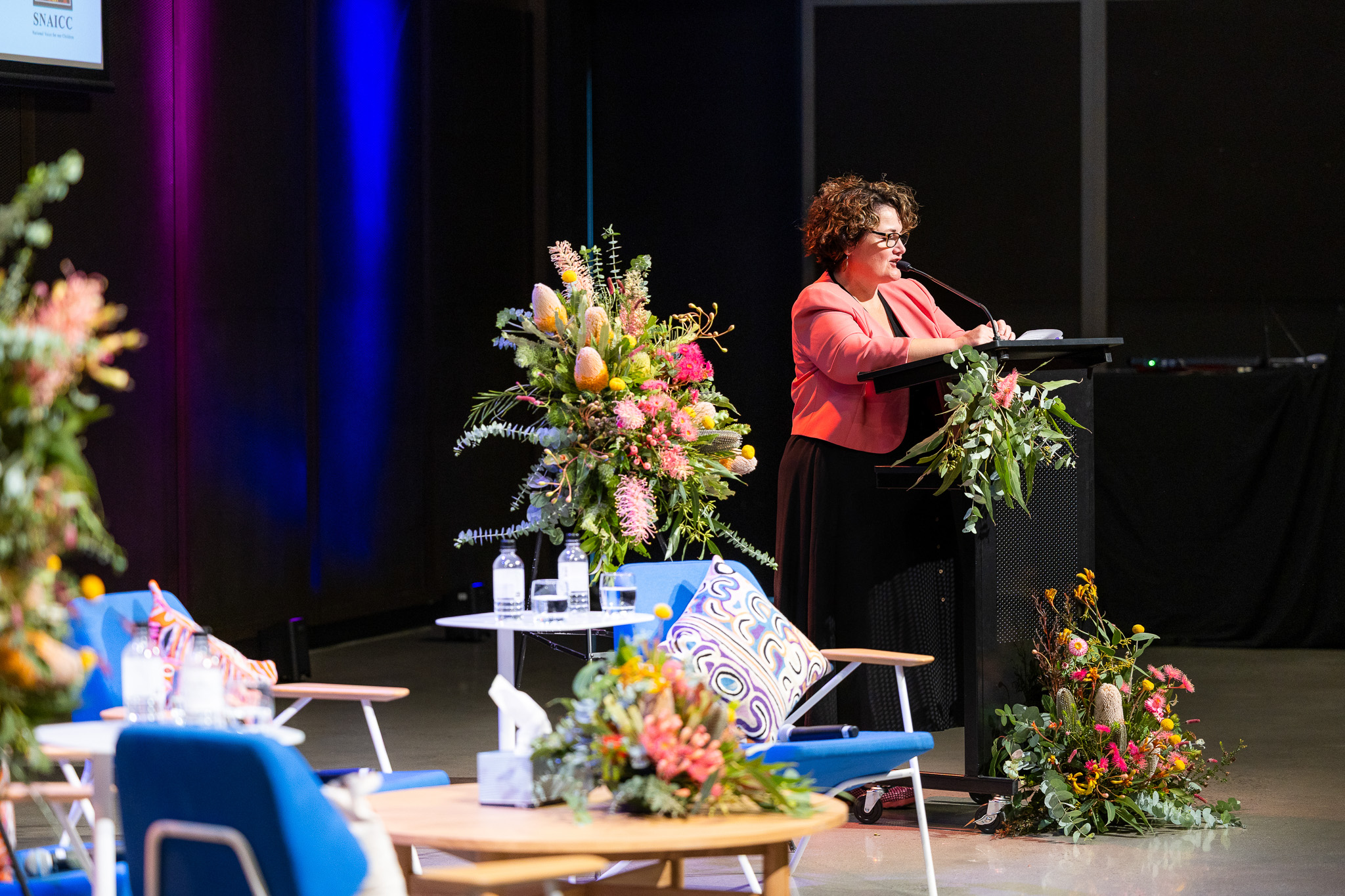
The event began with a Welcome to Country by Aunty Dr Matilda House-Williams OAM, followed by opening remarks from Professor Janine O'Flynn, Director of the Crawford School of Public Policy.
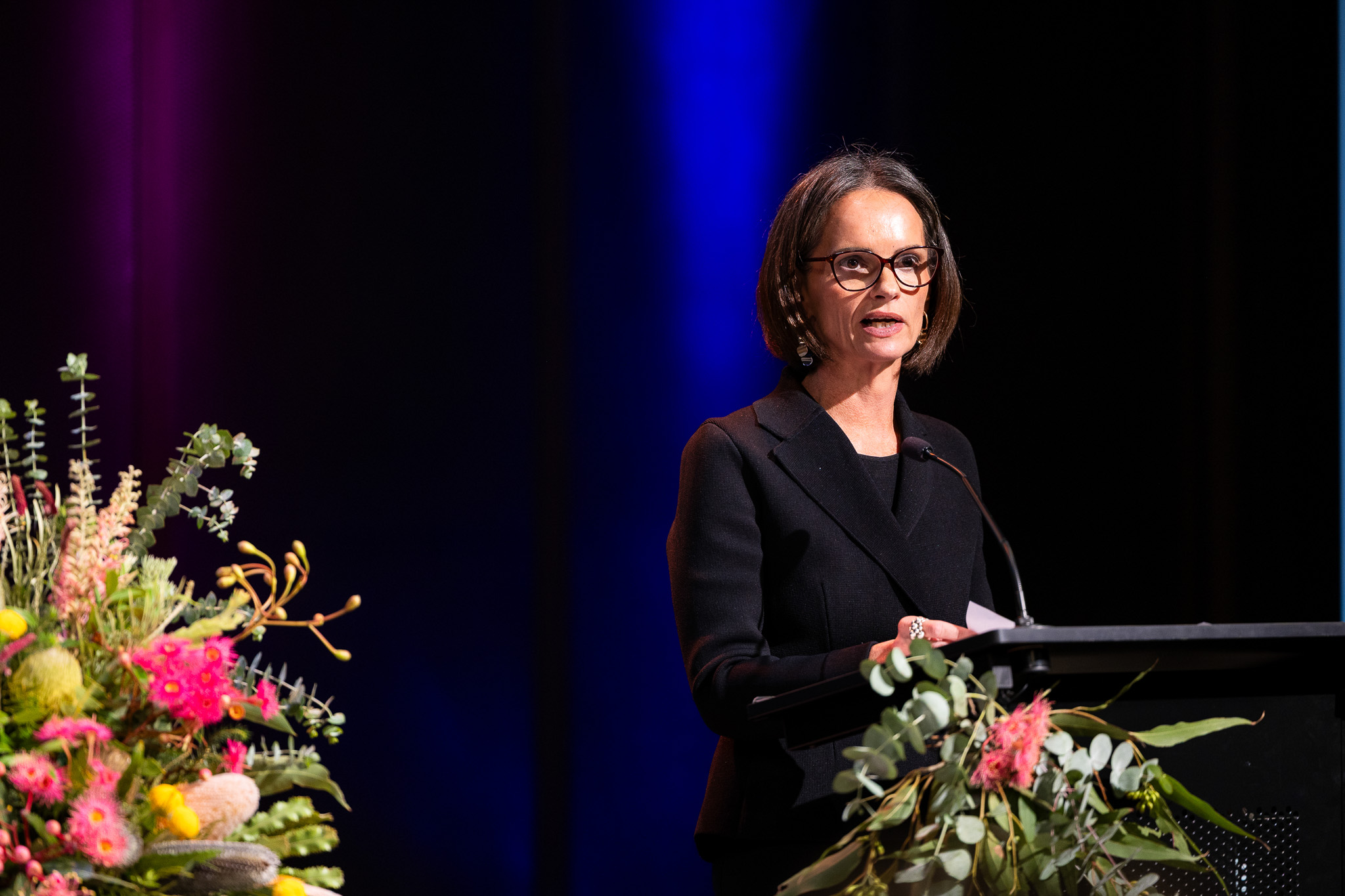
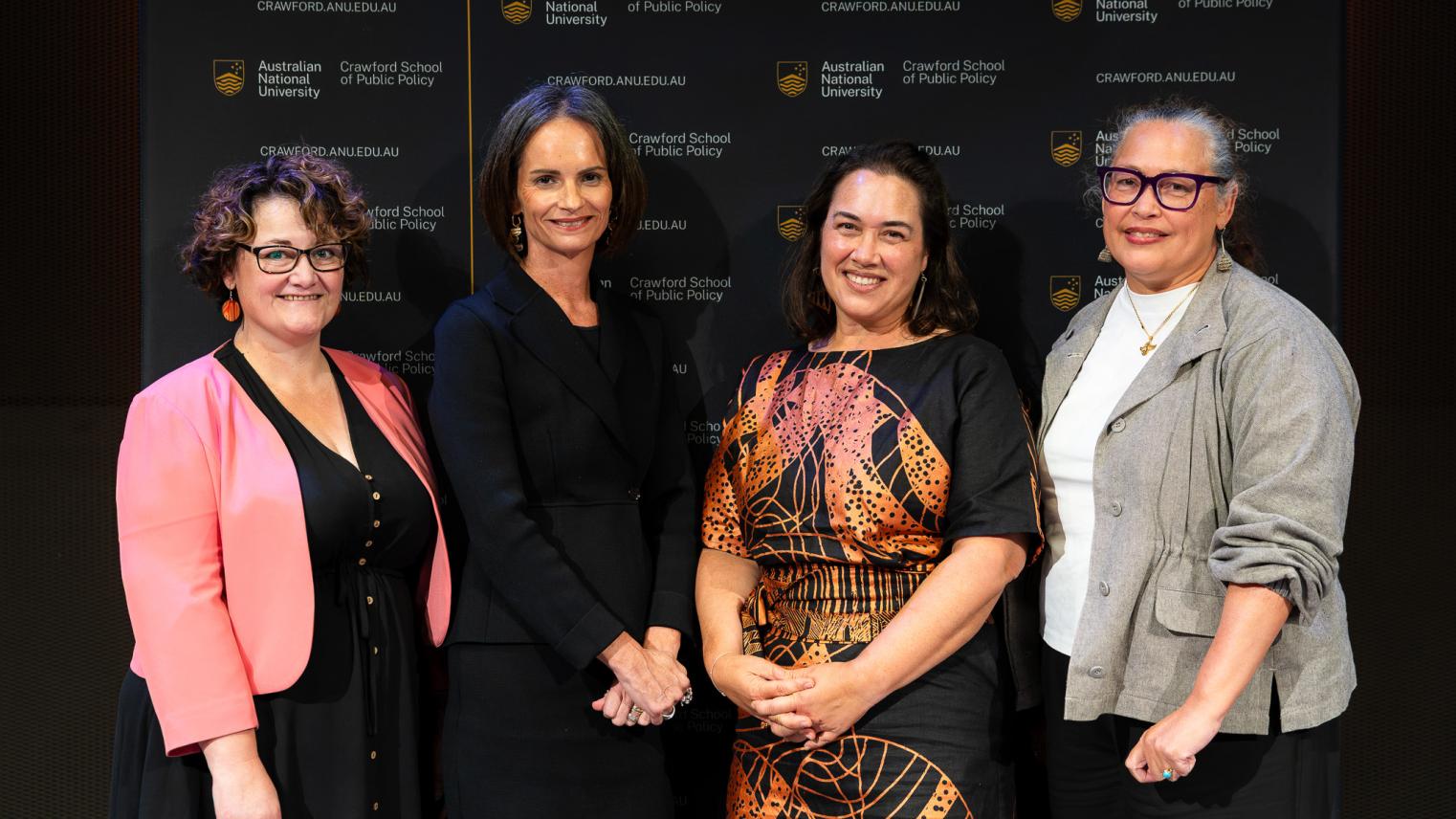
Three speakers, Justice Louise Taylor, Catherine Liddle and Dr Lisa Conway, spoke about First Nations women's leadership, cultural capability in public institutions, and the importance of centring lived experience in policy design and implementation.
Grounded in culture when at the decision-making table
As a proud Kamilaroi woman, Justice Taylor, who is the first Aboriginal Judge for the ACT Supreme Court, analysed the intersectionality of gender, race, socioeconomic status and class that place First Nations women and children into the lowest category of socioeconomic status. "Aboriginal women in Australia are the most vulnerable and marginalised group of any in Australian society," she remarked.
To change the discriminatory laws, policies and practices, Justice Taylor underlined incontestably that "We must be seated at the table, grounded in our connection to our culture, not just under the banner of diversity but in recognition of our unique status as the First Peoples of this land, and the ongoing effects on us of colonisation and dispossession, which continue to manifest in our lives, and in our communities in 2026."
Tell a good story, lead from outside
Following Justice Taylor, Catherine Liddle, an inspiring Arrernte/Luritja woman and CEO of SNAICC - National Voice for our Children and a strong advocate for First Nations families and children, spoke of her lived experience advocating for policies for First Nations children from outside the system.
Telling vivid stories of the Serpent, the Caterpillar, the Decapitation of Warriors, and the Little Sisters, she demonstrated how good First Nations stories can make a lasting impact on policies and laws. These policies and laws that derive from the Country have been directly affecting people's lives for thousands and thousands of years.
Ms Liddle pointed out, "Of all the billions of dollars that go to child protection, 16% actually goes to child and family services. The rest of the money involves removal and destruction of families." The number is closely related to Closing the Gap targets, but shows fundamental failure in what still needs to be done.
Realising that good storytellers are the most powerful people in the decision-making room that shape the stories that form the policies around Aboriginal and Torres Strait Islander people, she explores finding a different way to influence the story. While leading SNAICC and advocating for better child protection policies, she does as her nana taught her: to look, to listen, and to learn from the people, aiming to remove barriers that stop other people from being successful outside the system.
Making structural change is a marathon, not a sprint
"Whose knowledge counts when making the policy?"
While sitting in the policy-making room, Dr Lisa Conway, a resilient Yorta Yorta women who is leading the First Nations Employment Policy and Programs Branch at the Department of Employment and Workplace Relations, reflected on this question.
Representation of First Nations in the Australian Public Service (APS) has grown in the past decade. “Our generation moves from being governed to shaping the policy system itself," she said, noting that this also reflects on the work that we still need to do.
Institutional changes that enable First Nations knowledge to influence decision-making require institutional cultural capacity, which exists in the APS. But there is still room for improvement.
Structural change is hard. It comes from evidence and from the potential of small shifts to make big changes. Dr Conway reminded us, "It is a marathon, not a sprint." Reciprocity in the format of give to gain is important in making the next shift.
A timely discussion
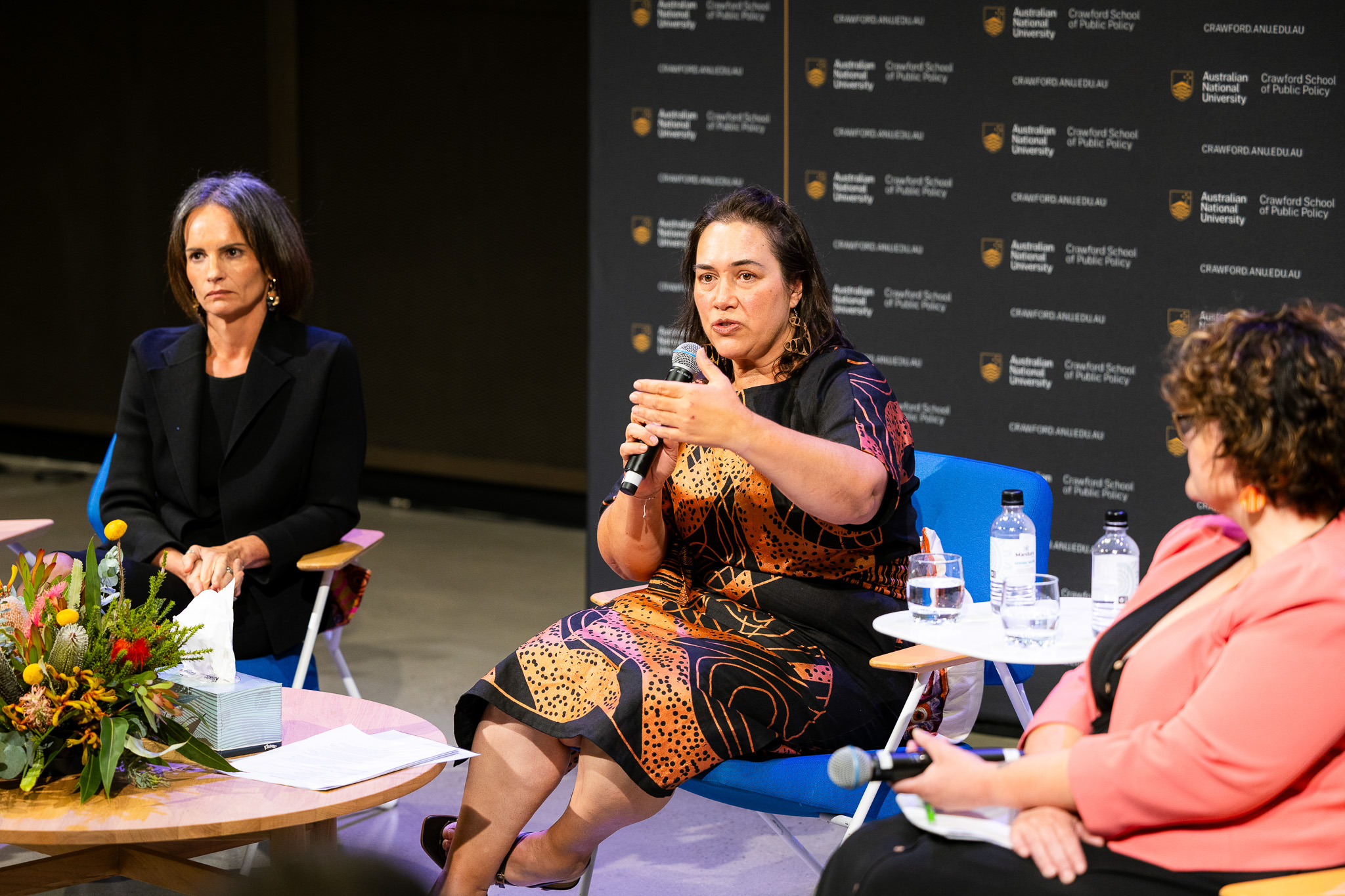
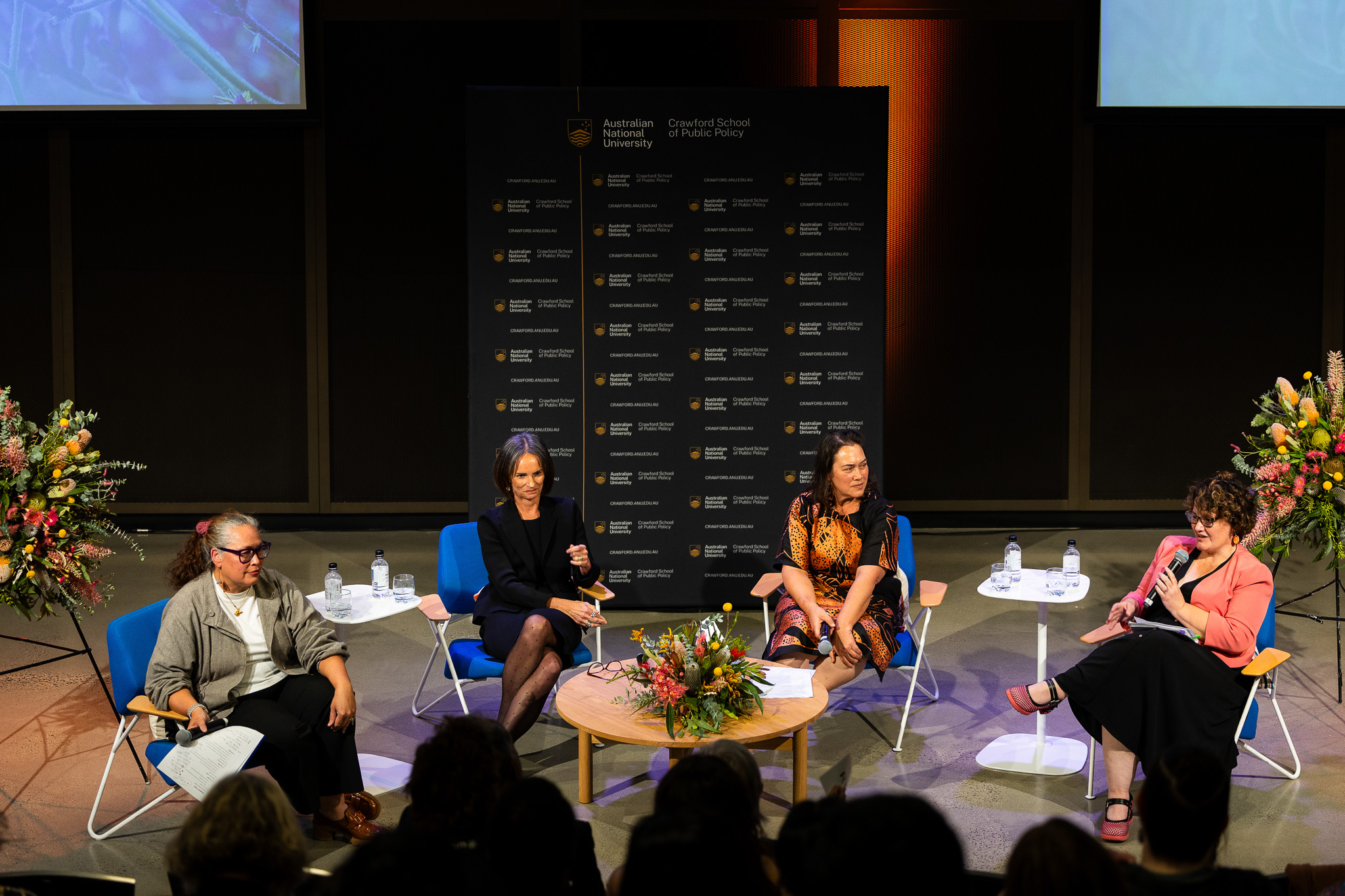
In the panel discussion moderated by Julie-Ann Guivarra, CEO of the National Indigenous Australians Agency, the three speakers shared their insights on leadership, cultural capability in public institutions, and the importance of centring lived experience in policy design and implementation.
Thank you to all the incredible women who joined us in this event. We listened and learned about resilience, community, responsibility, and what is worth fighting for and how to fight it.
In a world where discriminatory laws, regulations, and behaviours persist, gender-based violence is still common, and structural violence still blocks too many people from seeking or receiving justice, these discussions are timely and thought-provoking for a more just and equitable future for women and girls.
Keep updated with other similar events like this by following us on LinkedIn.