Short on time: Crawford celebrates Chris Taylor’s strength and love of study
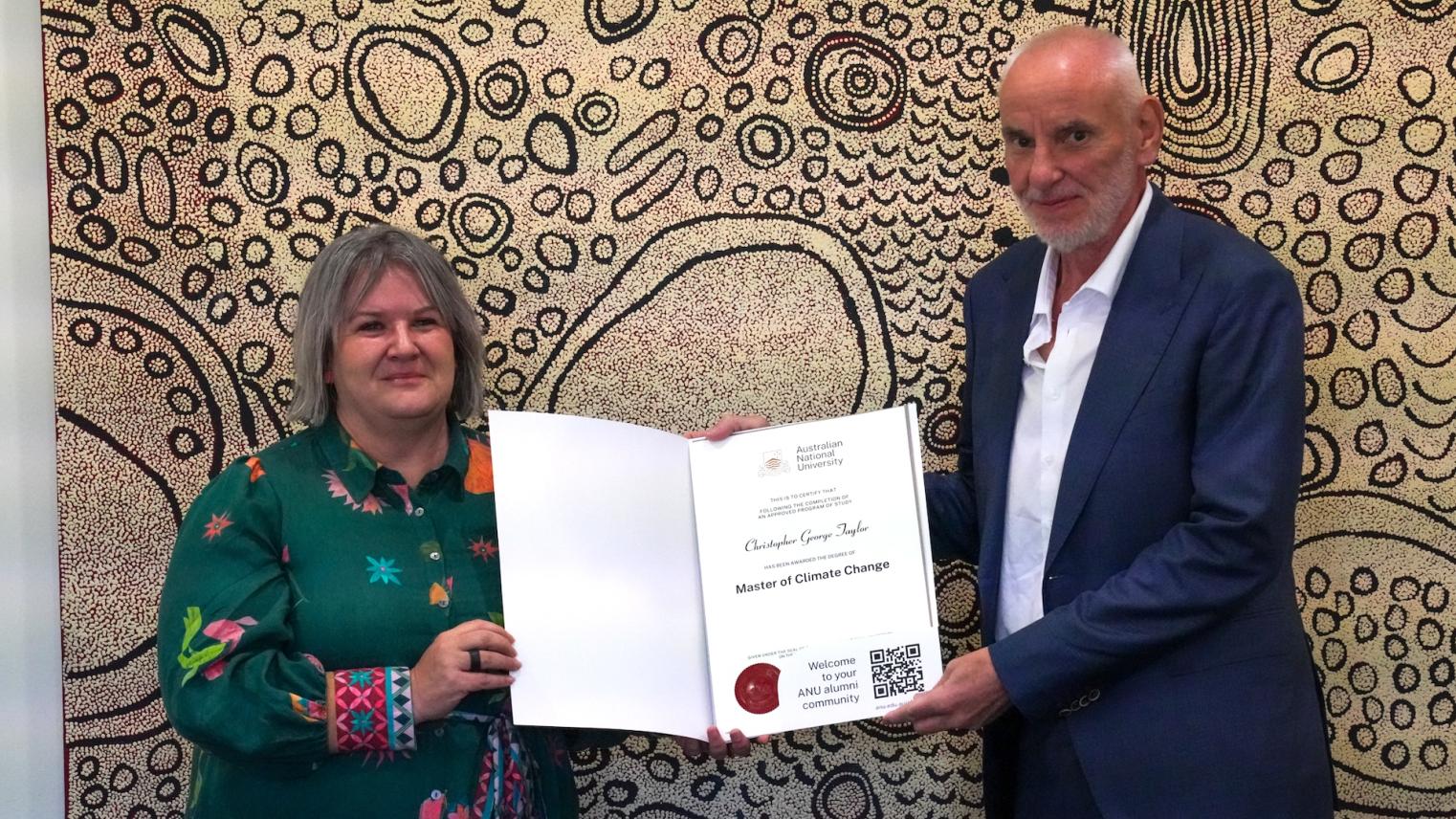
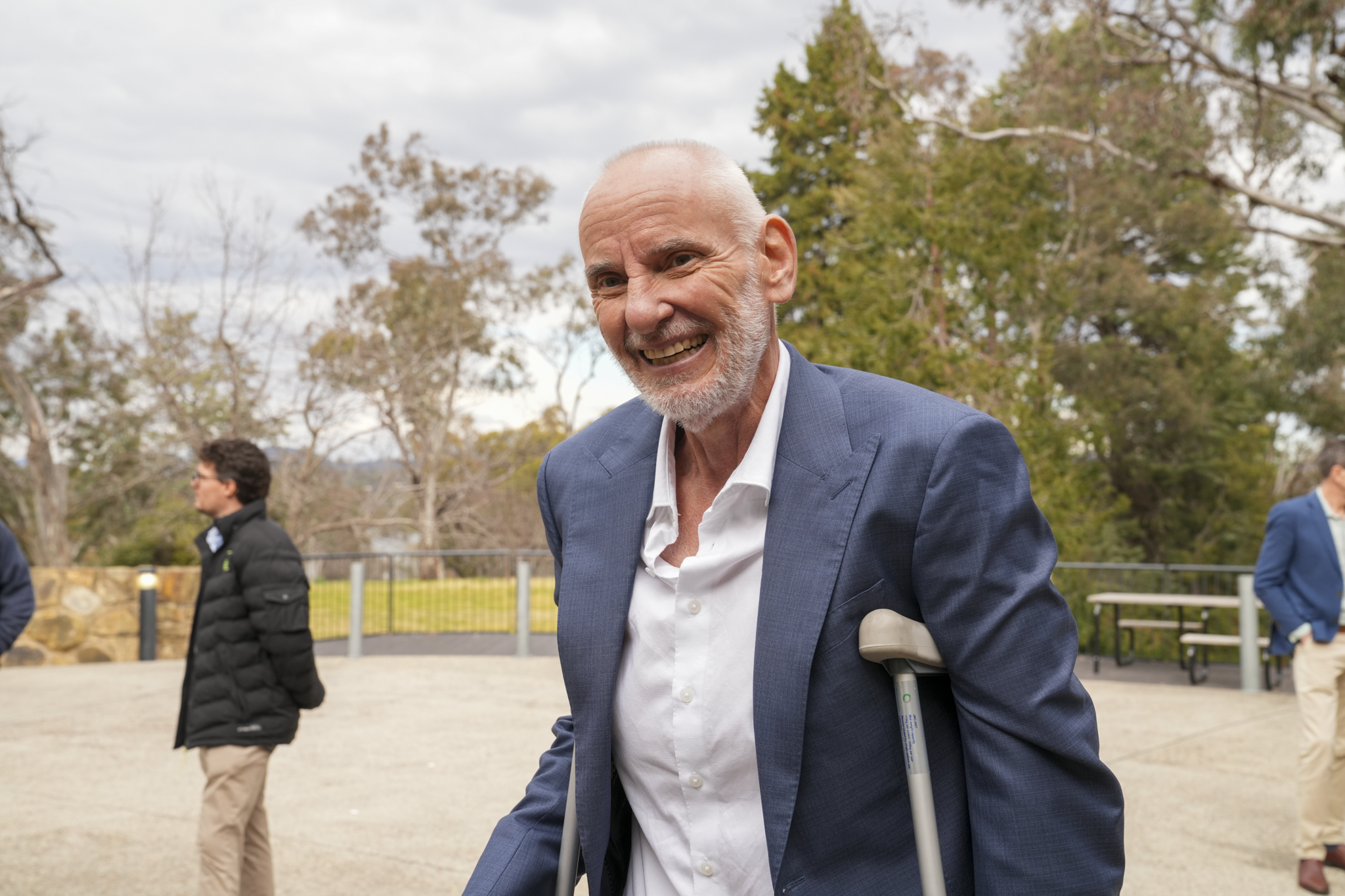
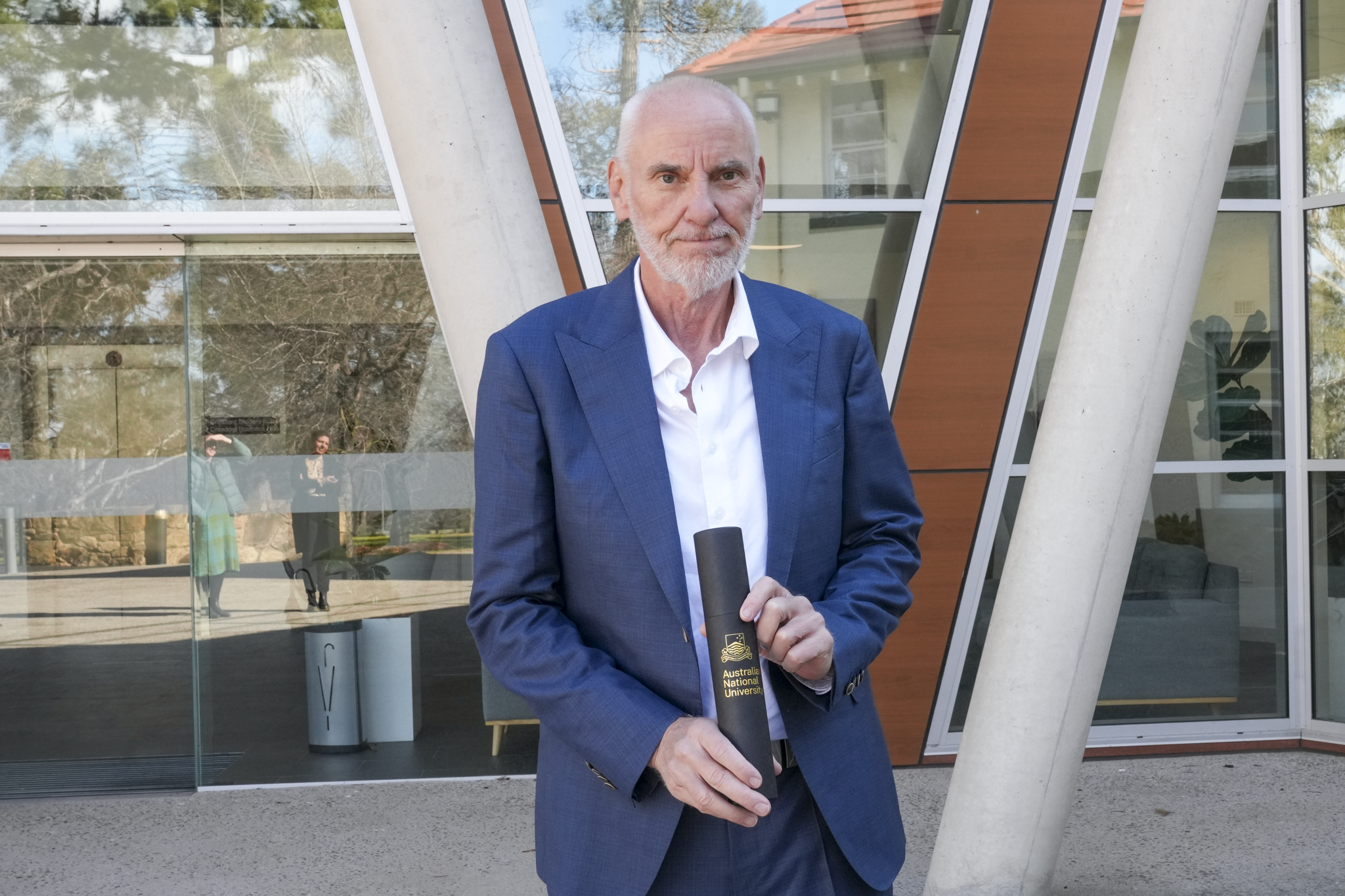
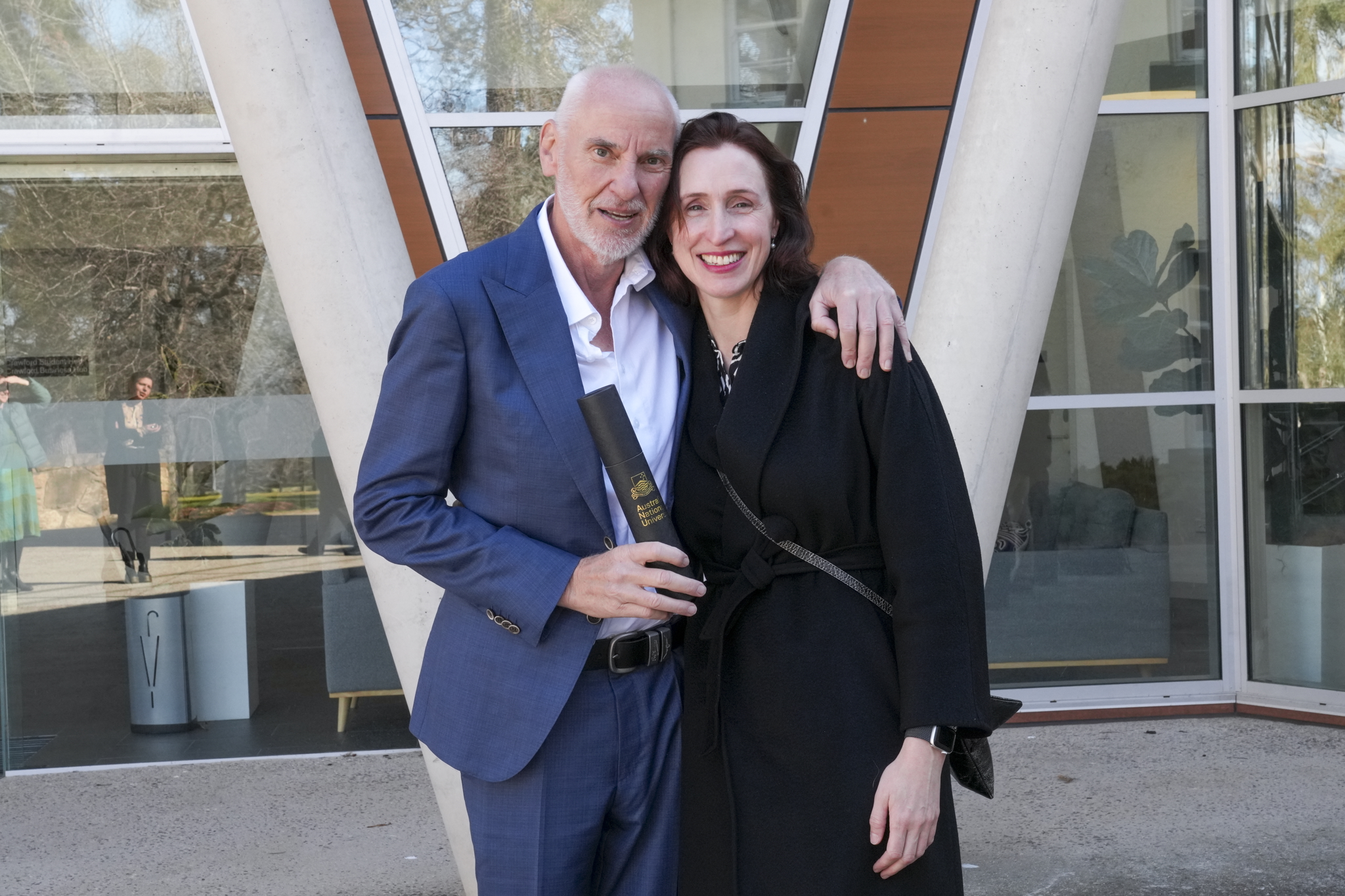
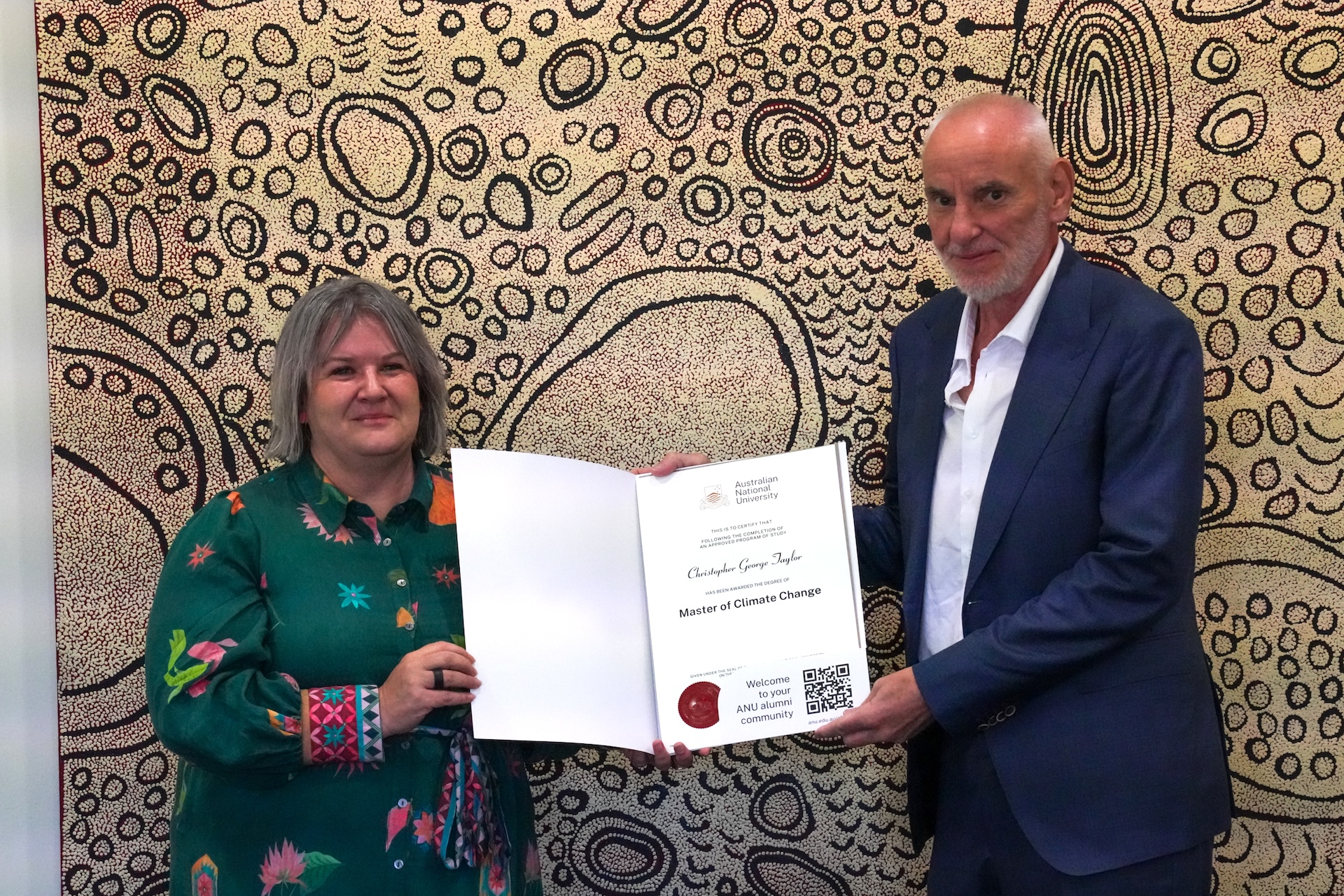
Dr Chris Taylor stands tall, crutches off to the side, as he is handed his second Master’s degree from the Crawford School of Public Policy.
He completed his Master of Climate Change in August 2026, and before that, his Master of Environmental Management and Development Studies (Sustainability Studies) while battling through what would debilitate most.
Chris spent most of his degrees writing essays, his thesis and participating in classes from a hospital bed while he received treatment for Stage 4 bone cancer.
When he was diagnosed with cancer, he decided he wanted to keep living, and learning because in his words “If I died, I’d be dead and wouldn’t know about it, if I live, then I would have worried for nothing, so I wanted to do something with my remaining time to make a difference.”
Lifelong learning
He first began studying at Crawford in 2023 after working in the sustainability space for 15 years. He’s a perpetual student but did not have any qualifications that backed up his experience.
“All my qualifications were in leadership, business, or organisational behaviour – I didn’t feel like I was a legitimate participant in the industry because I didn’t have an environmental qualification,” he explained.
He completed his degrees online, and during his Master of Environmental Management and Development Studies, he suffered liver failure and was in hospital for 6 weeks.
“I didn’t really know how bad I was,” he says.
Despite this, Chris was a favourite of teachers and students alike, and was awarded the Elspeth Young Prize for Social Contribution, the first time it had ever been awarded to an online student. The voting for Chris was unanimous.
Having enjoyed his first degree, and with the mentality of "if I start something I have to complete it" giving him another goal to stay alive, he enrolled in a Master of Climate Change.
Chris said he enjoyed the economic subjects as he could see the direct relationship to his work, “but I would grunt and groan about some of the units about the Asia and the Pacific about how is this going to help me, but it was actually fascinating looking at the dimensions on how from those units flowed through to the decisions we make here.”
“Every unit along the way was a building block. It’s very rare to find a program where all the units are so diverse and different, but build upon the aspects of the other units that you’ve studied.”
Chris says by studying the Master of Climate Change at Crawford, he was able to build on his knowledge from his previous degree, particularly when it came to writing his thesis.
The sign of a good degree, he explained, is how curious you become while studying.
“This degree took that to the next level in my curiosity.”
“If you have the opportunity, I think everyone should do both degrees. They both complement each other.”
Enriching experience
Chris said one thing that surprised him about the degrees was the student involvement. He told us the diverse cohort at Crawford provides such a vast perspective with students from overseas, some in their own governments already, combined with domestic policy makers, government members, diplomats, and those, like himself, from the commercial space.
“It was a blend of incredible people.”
This was further enhanced by the fact that learning at Crawford is a two-way street. Chris explained that it is never a lecturer just talking at you; your experience is respected, and welcomed as you raise new ideas, and discuss concepts across the cohort.
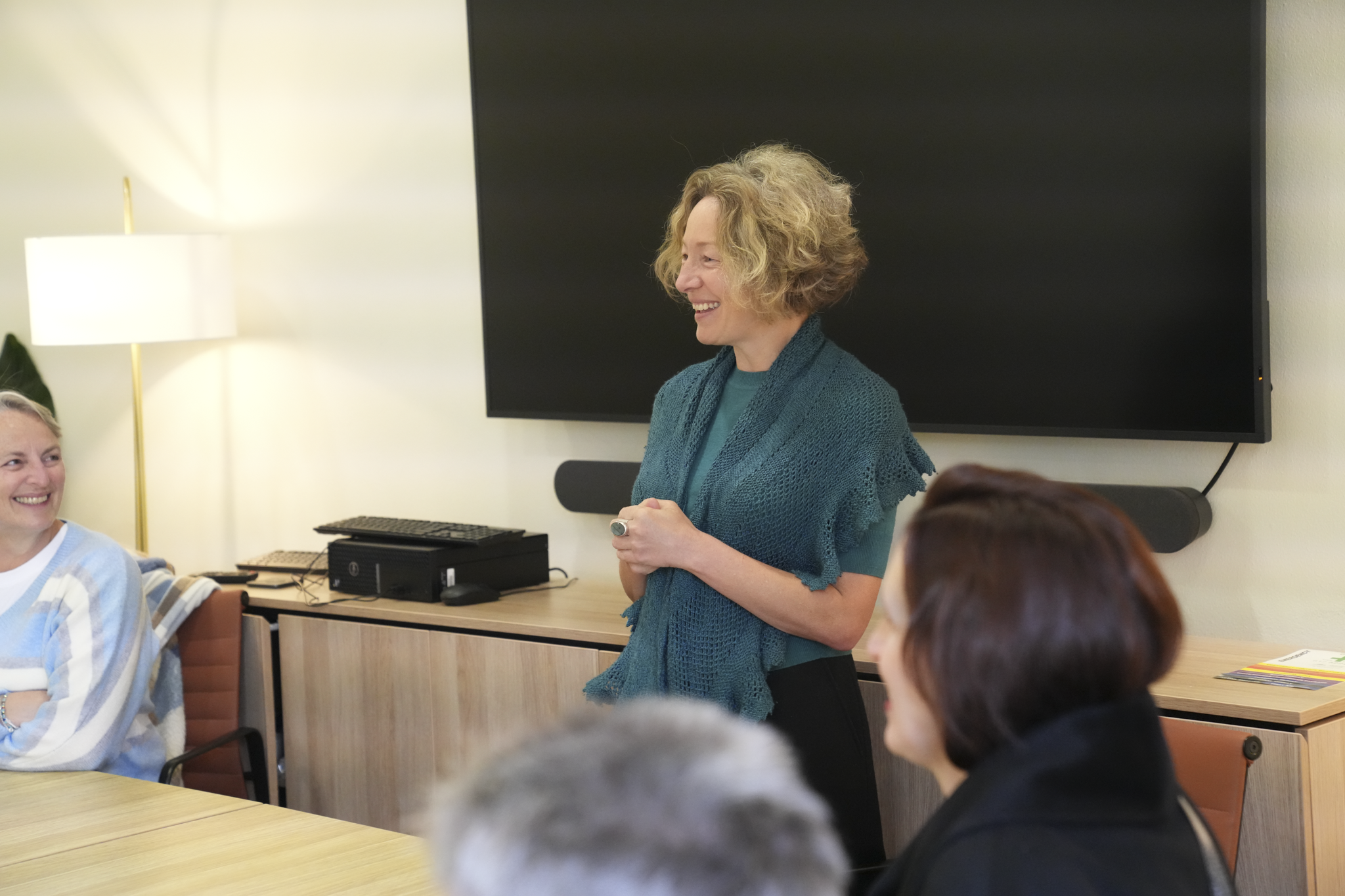
One course that embodies this was taught by Associate Professor Siobhan McDonnell Disaster Risk Reduction and Management (EMDV8124) where they participated in a disaster game.
Chris was in a group with Laurie Singh, who incidentally was awarded the 2026 Elspeth Young Prize for Social Contribution. “Laurie was the captain of our group, I loved him. He was phenomenal as a leader and was so influential on the course and my enjoyment of it.”
We reached out to Laurie, who told us, “Working with Chris on coursework while knowing what he was going through was genuinely inspiring. What stood out to me was his perseverance. Despite being unwell, he remained committed to his studies, contributed to our discussions and continued to engage with those around him.”
“I was my usual self, always engaging and contributing, but looking back, I think I was also quietly learning from Chris. I’m humbled to hear that I made an impression on him, because his perseverance certainly left an impression on me.”
Chris left a lasting impact on Rachel Dunstone as well. “He is the ultimate study buddy: fun when you need it, serious when it matters, and always passionate and committed.”
“He has a genuine desire to deepen his understanding of climate change and to use that knowledge to support his work in renewable energy. His commitment to learning, even in the most difficult of circumstances, says so much about who he is.”
New perspectives
For Chris, it’s not just another piece of paper, or an achievement in the face of everything he’s gone through, his degrees have also changed how he operates his business.
“We are so far off global targets and people will pay the price for that.”
He has now spent two decades running his own company with the goal of embracing energy efficiency while reducing CO2 emissions. He says his studies at Crawford turned the United Nations Sustainability Development Goals (SDGs) from a nice-to-have reference point into a framework he constantly uses to make decisions.
“As a father of three children, you sit there and reflect on what you’re leaving for the next generation, and a large focus of the program was indirectly on those intergenerational challenges, and what’s going to happen in the future,” he says.
“The maturity I learned through the program changed how I approach other organisations. When you’re competing in a commercial space, there is a sense of ‘you’re the enemy’ because we’re competing for a place in the market.”
“The degree subtly implanted the notion that we are all in this together”
He says he is now more open and less guarded in working with others, hoping to make a difference rather than just fighting for market share.
Taking a moment to celebrate
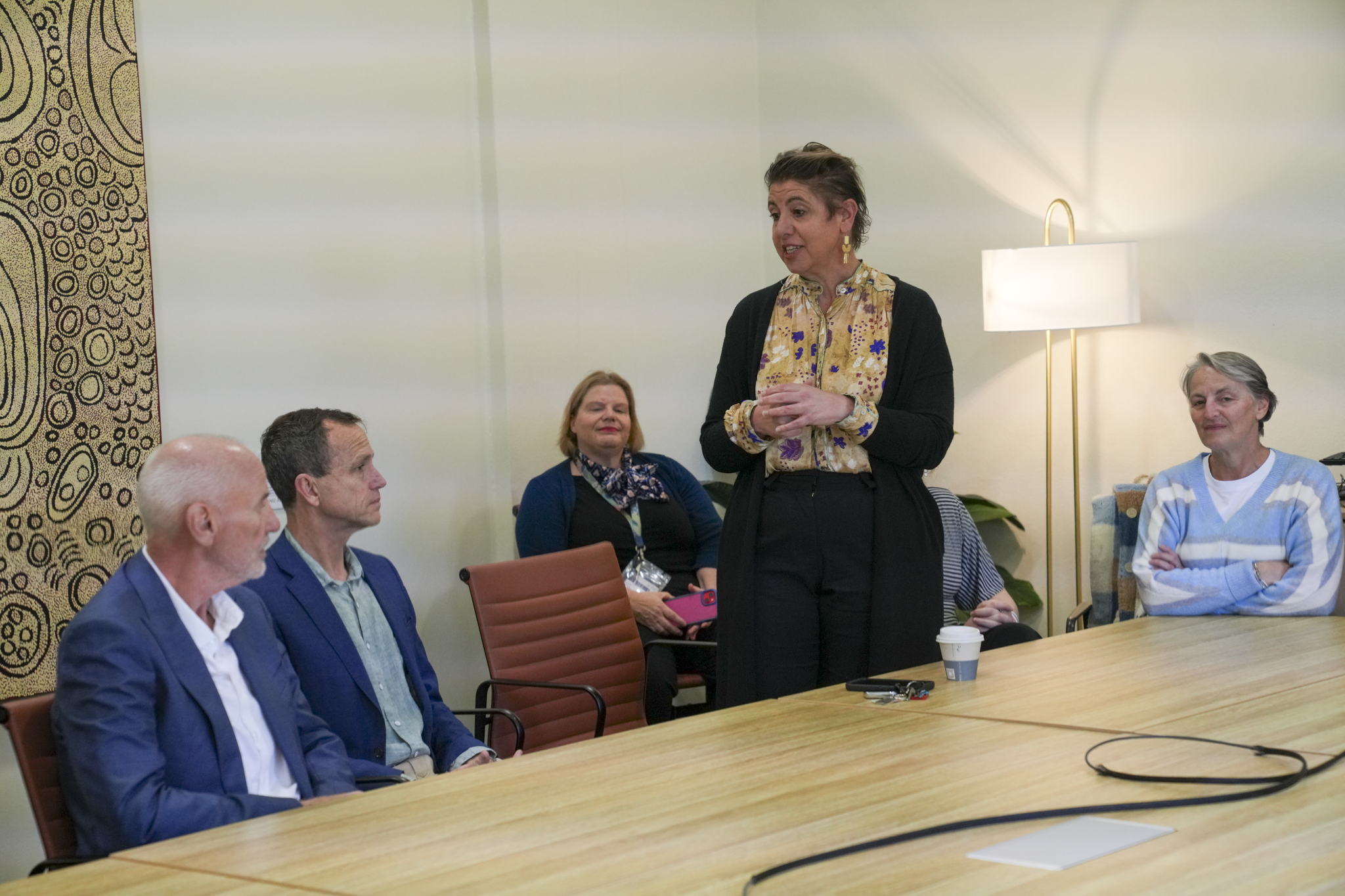
Knowing his prognosis, Crawford hosted a dedicated graduation ceremony to highlight his achievements, and acknowledge his contributions.
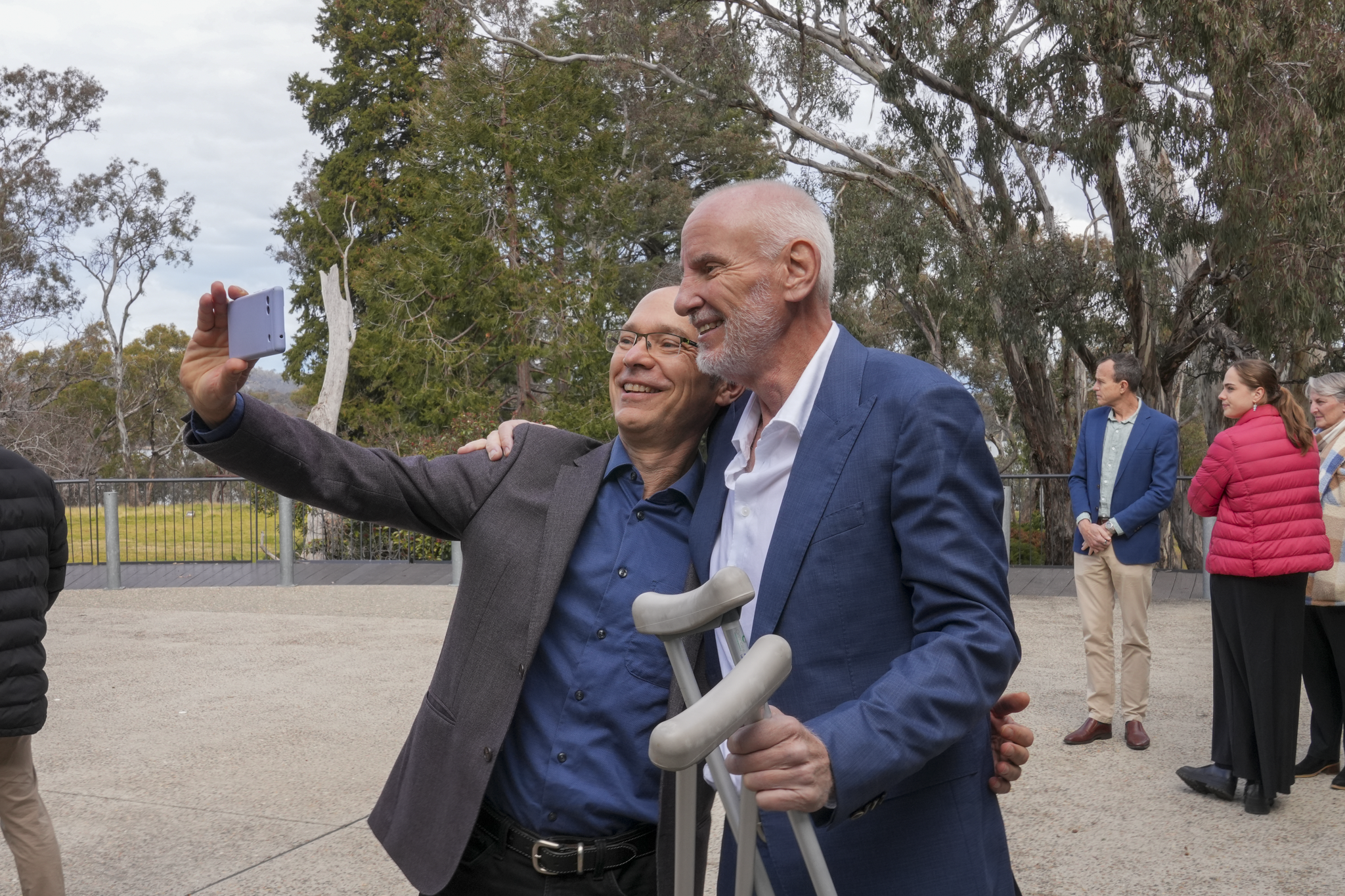
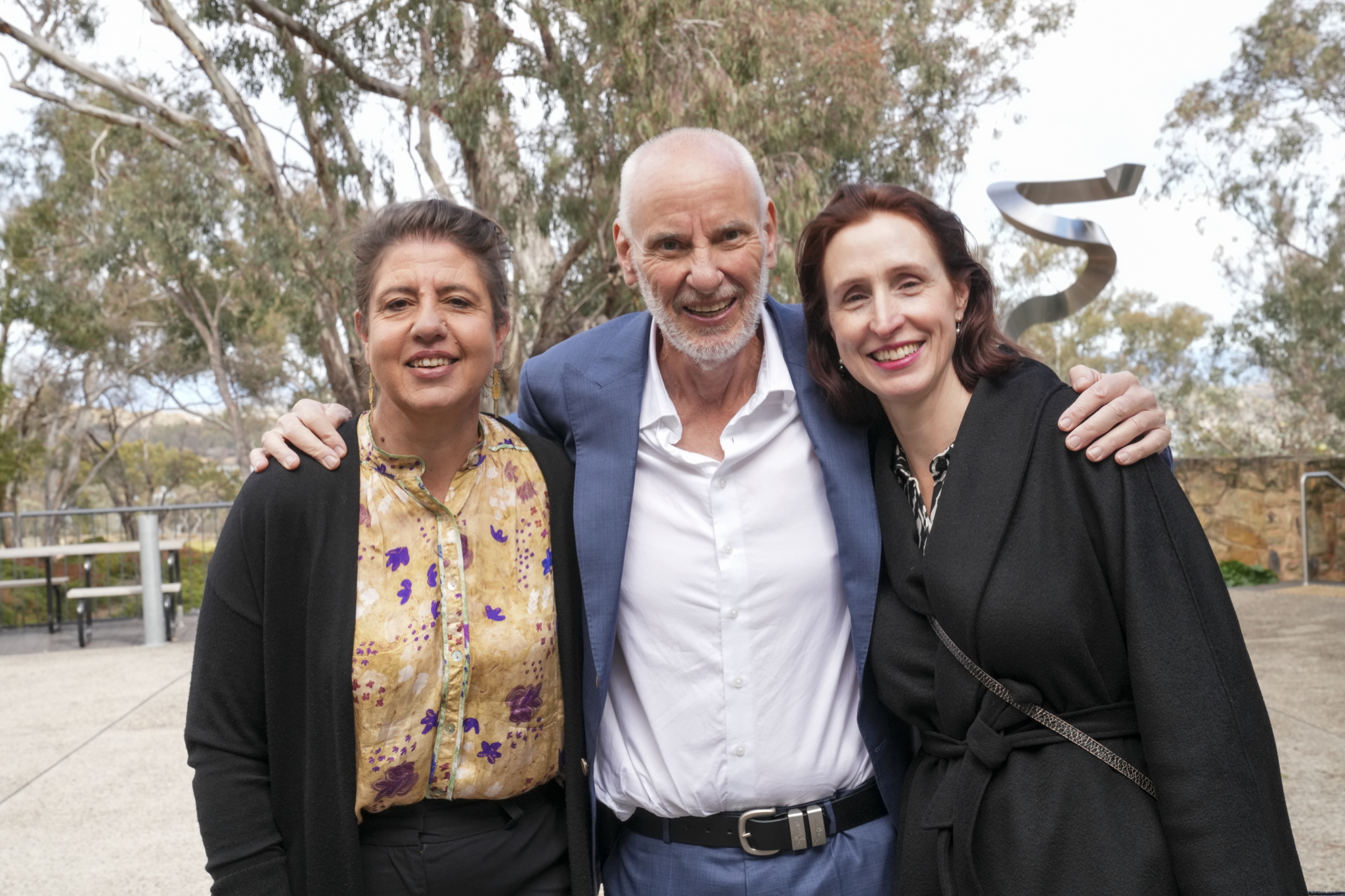
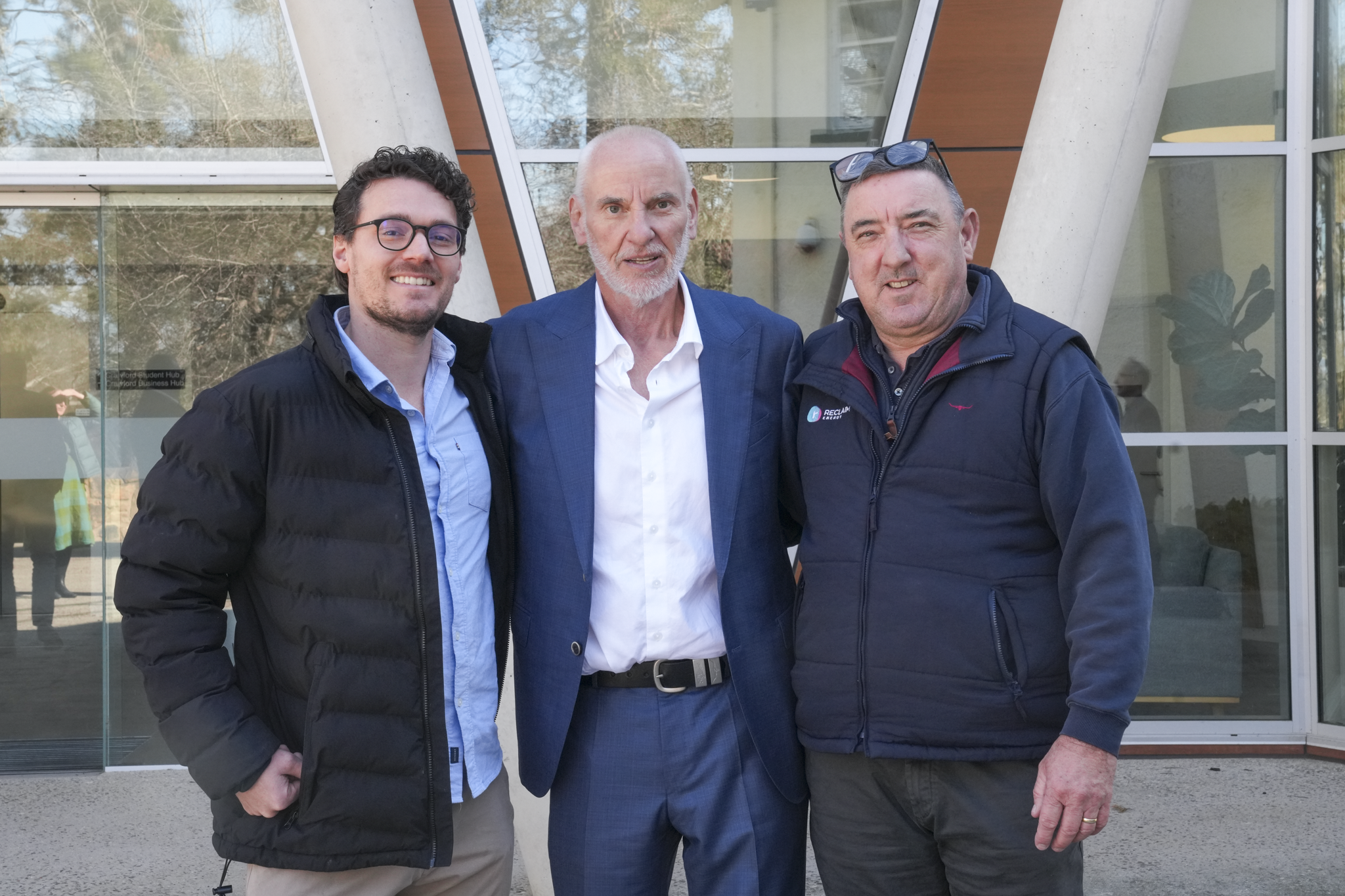
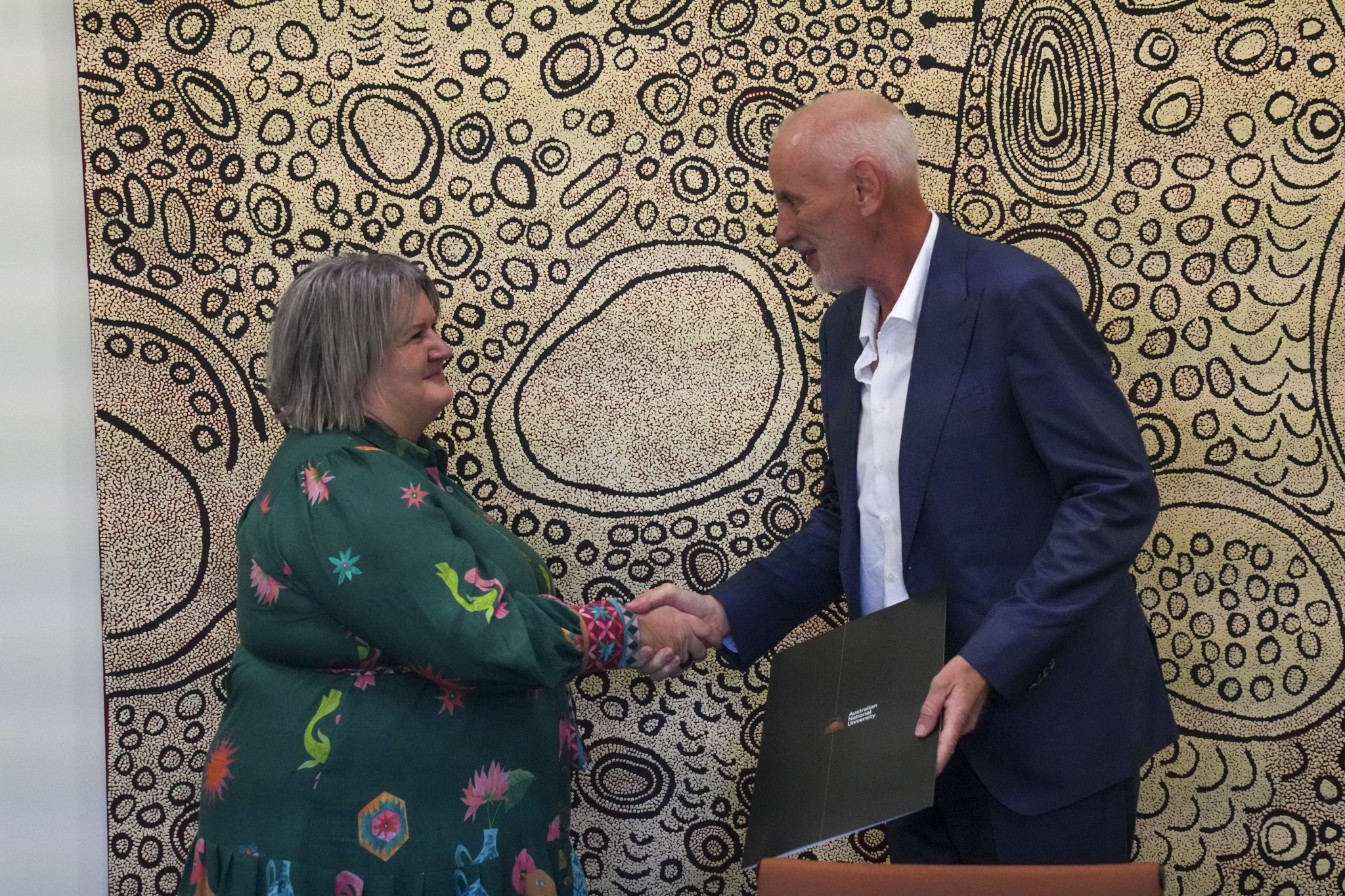
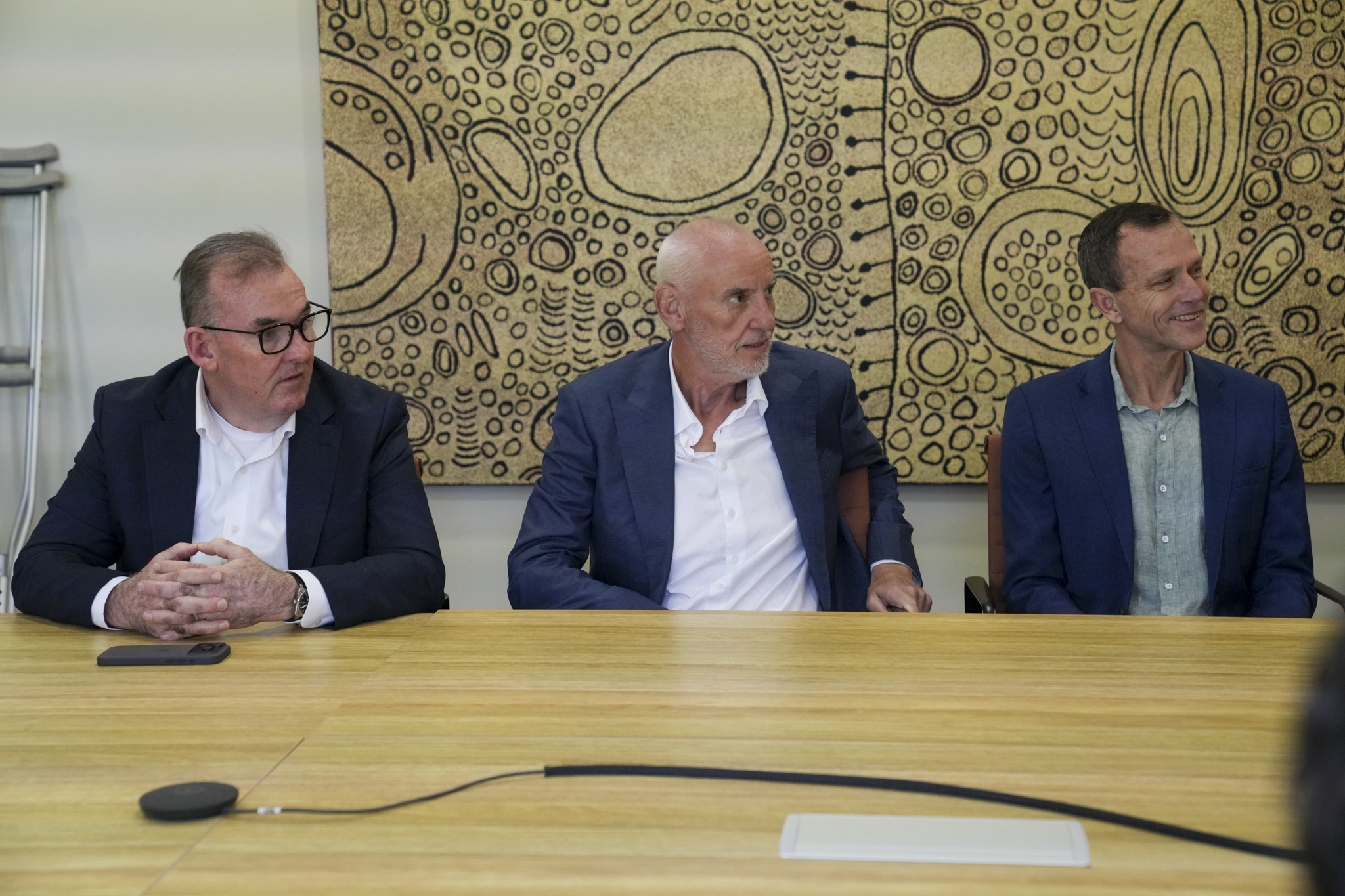
Chris’s lecturers, friends and former students gathered with his testamur officially handed over by the Acting Dean of the College of Law, Governance and Policy and Director of the Crawford School of Public Policy, Professor Janine O’Flynn.
“Today, we honour you Chris with your own graduation ceremony that has been organised by Crawford staff and students and is, like you, completely unique. It is a one of a kind.”
“It is truly incredible to me, that in the last few years, while being hospitalised, spending time with your children and family, and running a farm, you have managed to complete two Masters programs. It is truly humbling for all of us to witness your achievements,” Professor O’Flynn remarked.
“You remind us all of the power of education, and of the way in which learning can enrich our lives, even in the most difficult of circumstances,” she added.
Rachel added, “I know Chris deeply appreciates the efforts of the Crawford School to make his graduation such a special occasion. The private ceremony was a wonderful acknowledgement of everything he has achieved. I’m particularly grateful to Dr Siobhan McDonnell for all the work she did behind the scenes to make it happen. It was an incredibly thoughtful gesture by the Crawford School and a fitting way to recognise Chris and his achievements.”
Chris said afterwards, "Humility was drilled into me by my father, it's why that day was so hard for me."
Leaving a legacy at Crawford and beyond
Chris told us that his degrees at Crawford have been a highlight of his studies in life, which is saying something as this graduation marked his ninth university qualification.
The staff and students left their mark, but one in particular he wanted us to mention.
“I’ve probably had three or four mentors during my academic life,” he told us, “One through high school, one from undergraduate, one from my PhD, and Professor Frank Bonjourno, from Crawford.”
“Finishing with his course was a wonderful way to complete the program, it brought everything together.”
“It was uplifting as much as it was frustrating,” he said with a shake of his head.
In the course, he explained, they discussed how no one wants to be the first when it comes to implementing renewable policies, but if everyone keeps dragging their feet, then we will be left with no options to safeguard our children from climate destruction.
For Chris, this just showed that the ultimate value of a Crawford education lies not in the qualification itself, but in whether students use what they learn to leave something better for the future.
“We don't own the planet; we need to look after it for the next generation.”