
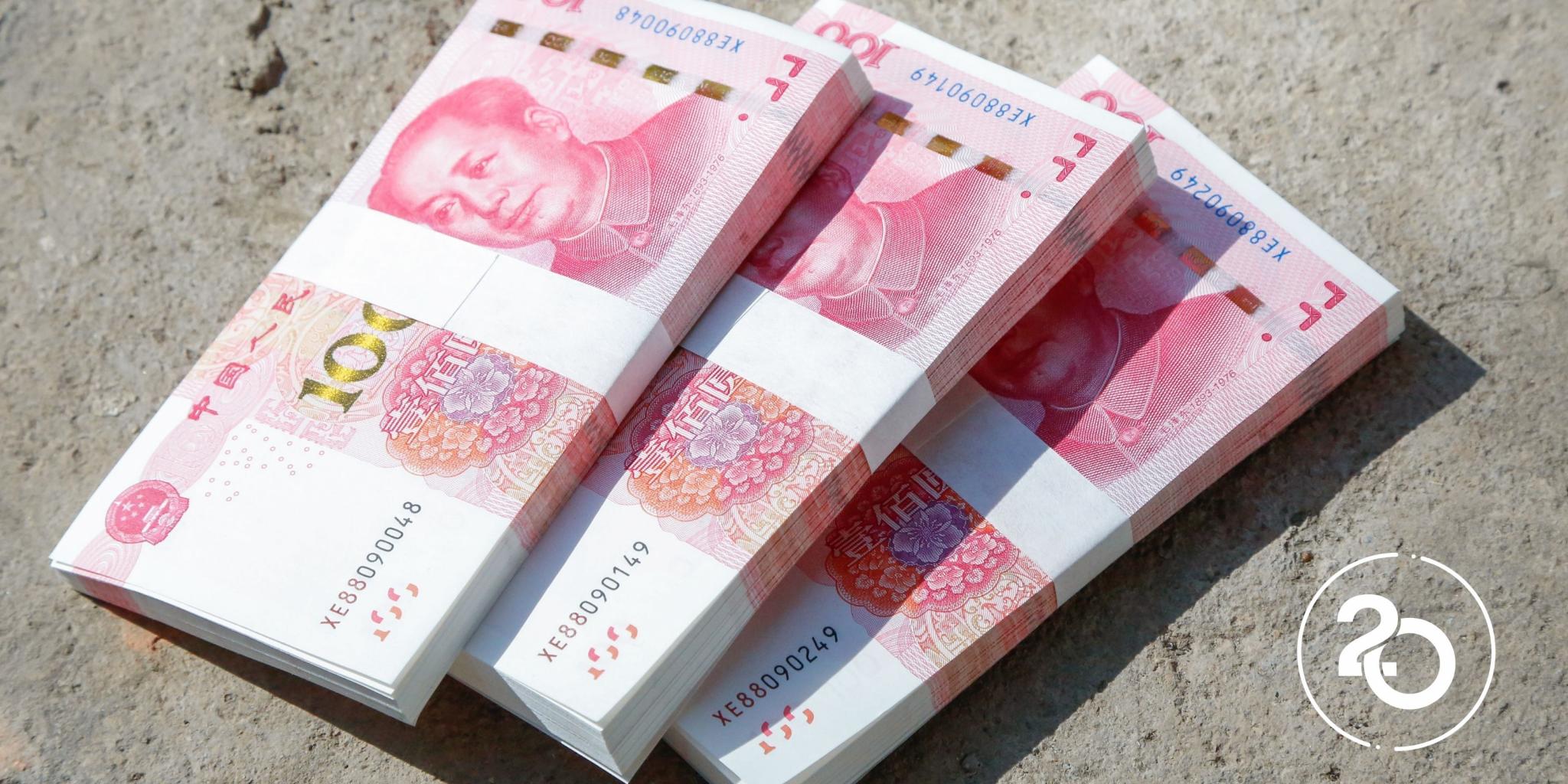
Currency Internationalisation from Below: Chinese Firms and the Limits of RMB Adoption in Australia
In this seminar, Dr. Wei Li will present on the following study:
This study examines the limits of RMB internationalisation through the case of Chinese firms operating in Australia. Despite China's investment in offshore RMB infrastructure, including clearing centres, bilateral swap agreements and cross-border settlement systems, firm-level uptake abroad remains thin and uneven. Drawing on quantitative data and twelve semi-structured interviews with senior executives from Chinese firms in Australia, the study shows that RMB internationalisation is not transmitted through policy channels in any straightforward way. Firms selectively adopt, limit or avoid RMB use according to commercial incentives, subsidiary mandates, supply-chain configurations, sectoral currency conventions, customer resistance and host-market legitimacy concerns. Chinese firms abroad are therefore not passive conduits of state monetary ambition; they are strategic mediators that assess whether RMB use fits pricing systems, treasury routines and customer relationships. Among state-owned enterprises, RMB adoption is further shaped by a too-many-principals problem, as subsidiaries balance monetary-statecraft expectations against financial-discipline requirements around profitability and asset preservation. This tension produces slow-walking: delayed, partial and compartmentalised RMB use that maintains political alignment while limiting commercial risk. The article shows that monetary power is reproduced not only through state policy and financial infrastructure, but through firms’ everyday organisational routines.