
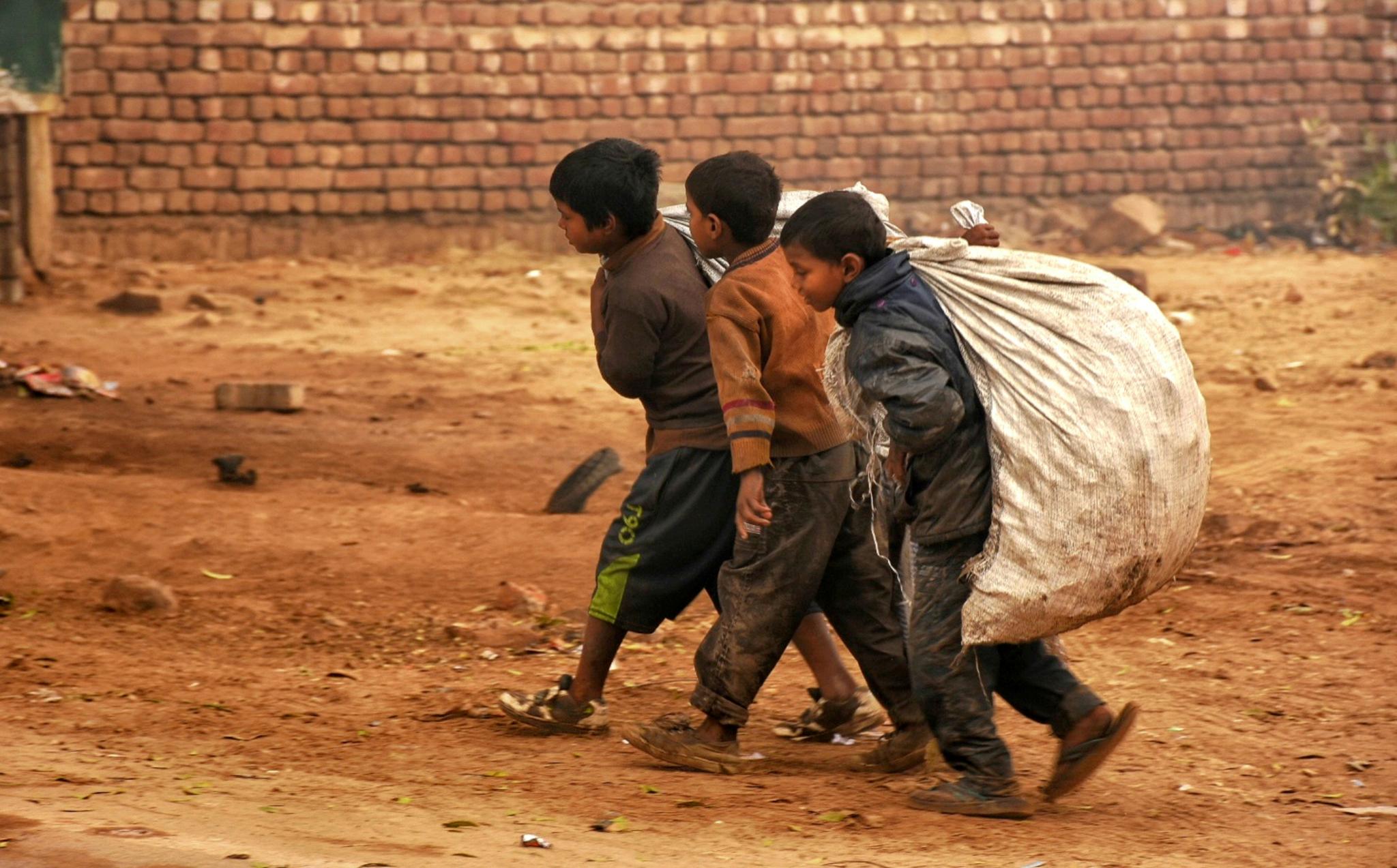
This seminar examines how population growth can add to poverty in countries with low institutions.
This study examines how institutions condition the impact of population growth on poverty. This question is important given rapid population growth in recent decades and projections that the global population will increase by two to three billion people by 2100, largely in countries with weak to moderate institutions. The paper shows how institutions determine whether additional population becomes equipped with human capital and avoids poverty, or remains in subsistence, contributing to higher poverty. The paper develops a model of heterogeneous neighbourhoods and the public provision of educational services. The model generates predictions that the paper tests in a cross-country setting. Consistent with the framework, the results suggest that institutions condition how population growth impacts poverty. The results are robust across empirical strategies – OLS, GMM, and an IV approach – and across poverty and institution definitions. The analysis shows that investment, education, and healthcare are three possible channels for this mechanism.
Event Speakers

Dr Omer Majeed
Dr Omer Majeed is the Director for the Research and Evaluation (R&E) Team within the Competition Taskforce. Omer completed his PhD at the Crawford School of Public Policy at the Australian National University (ANU), where he studied issues relating to inequality, economic growth and trade. Omer is currently a Visiting Fellow at ANU as well.