Crawford at 20: The future of public policy
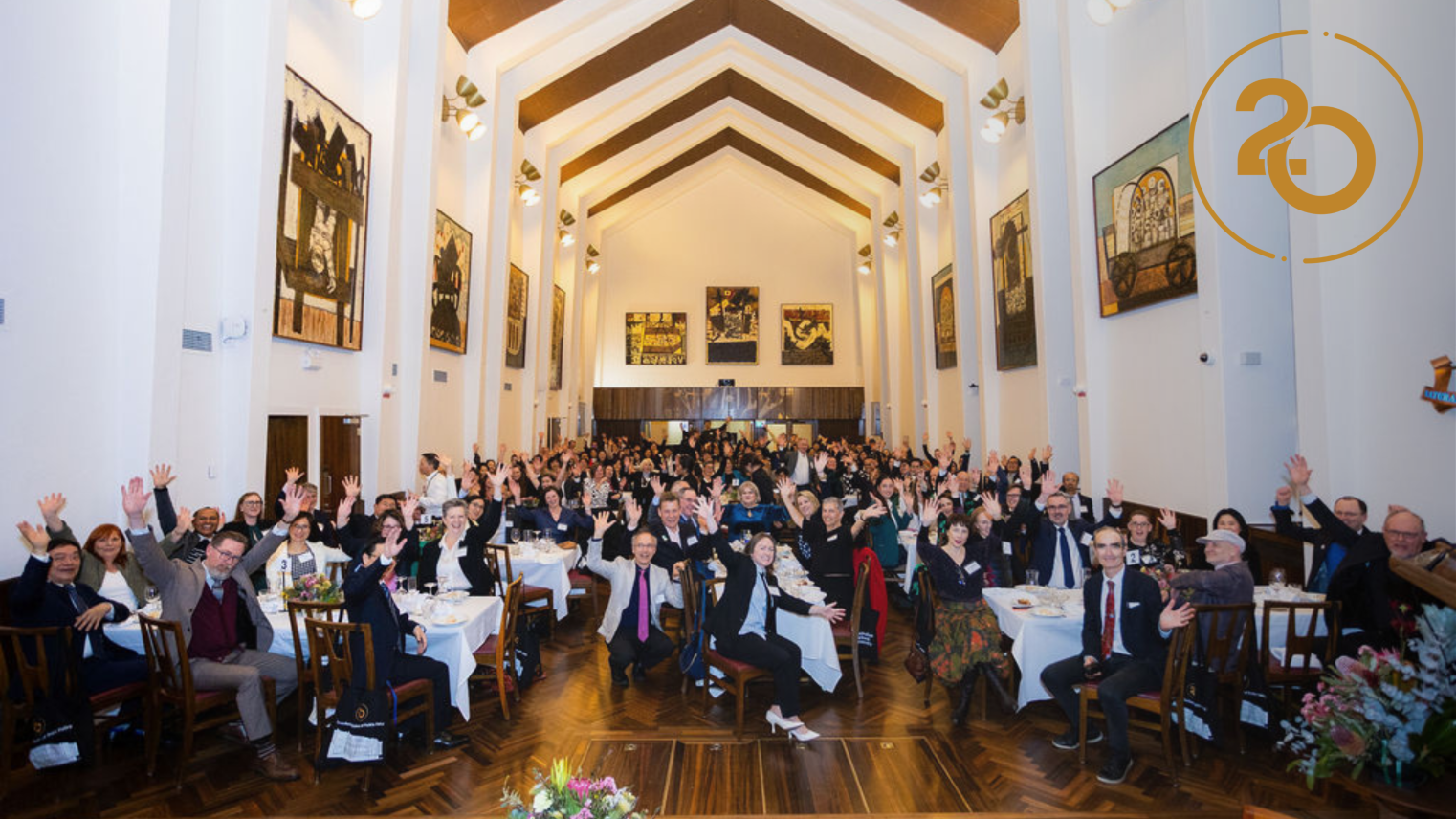
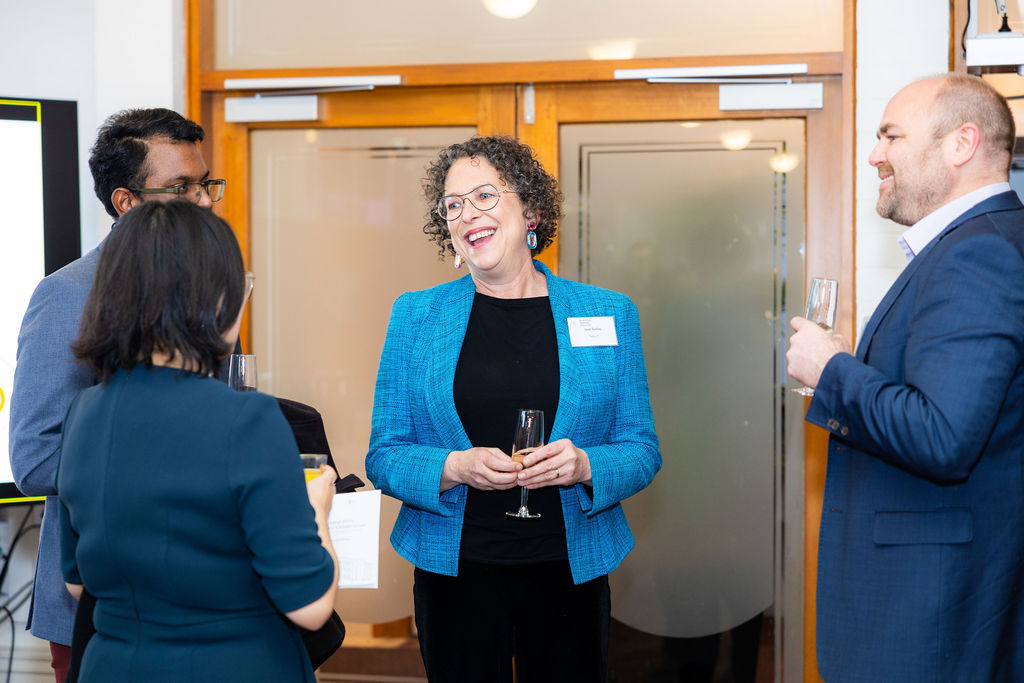
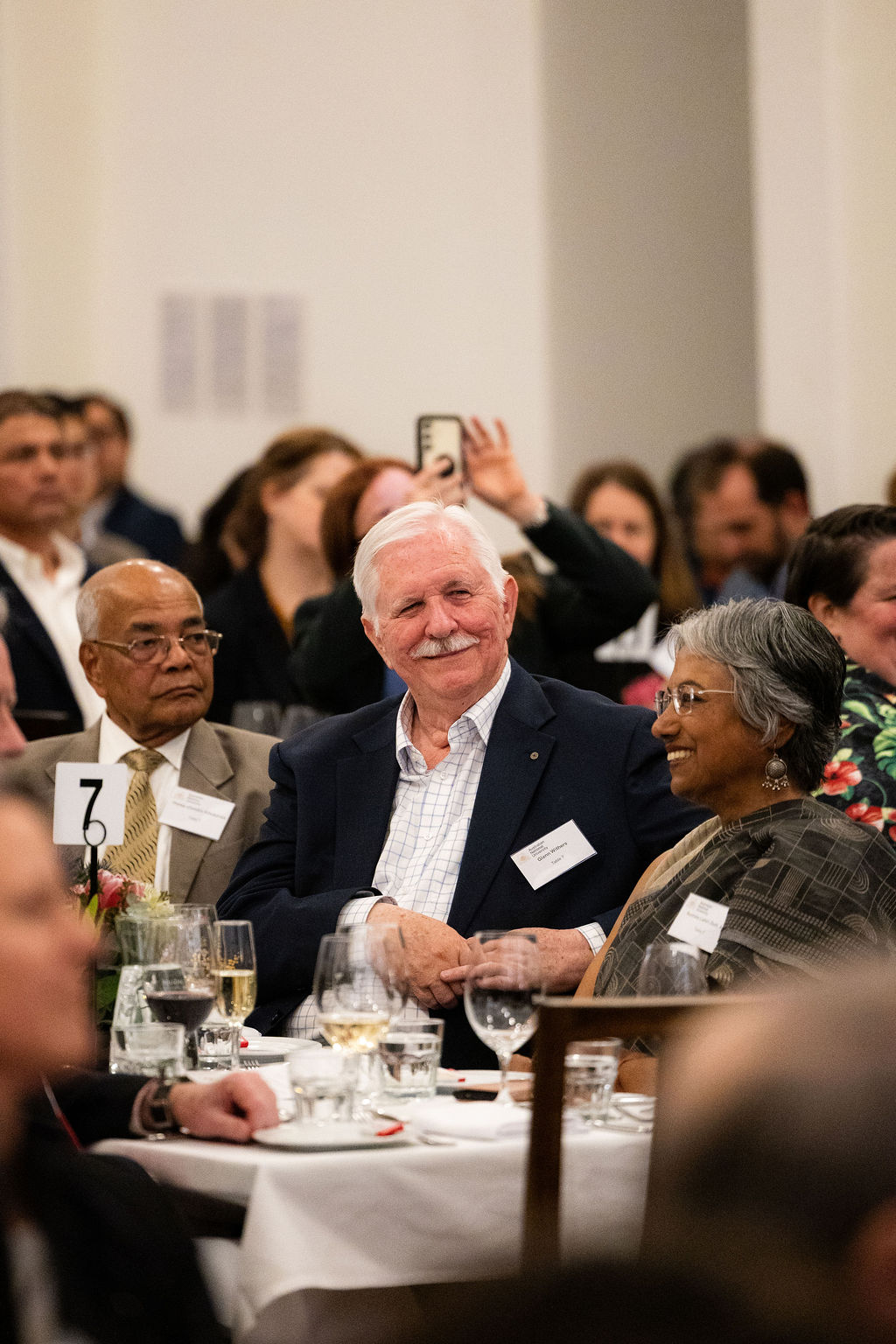
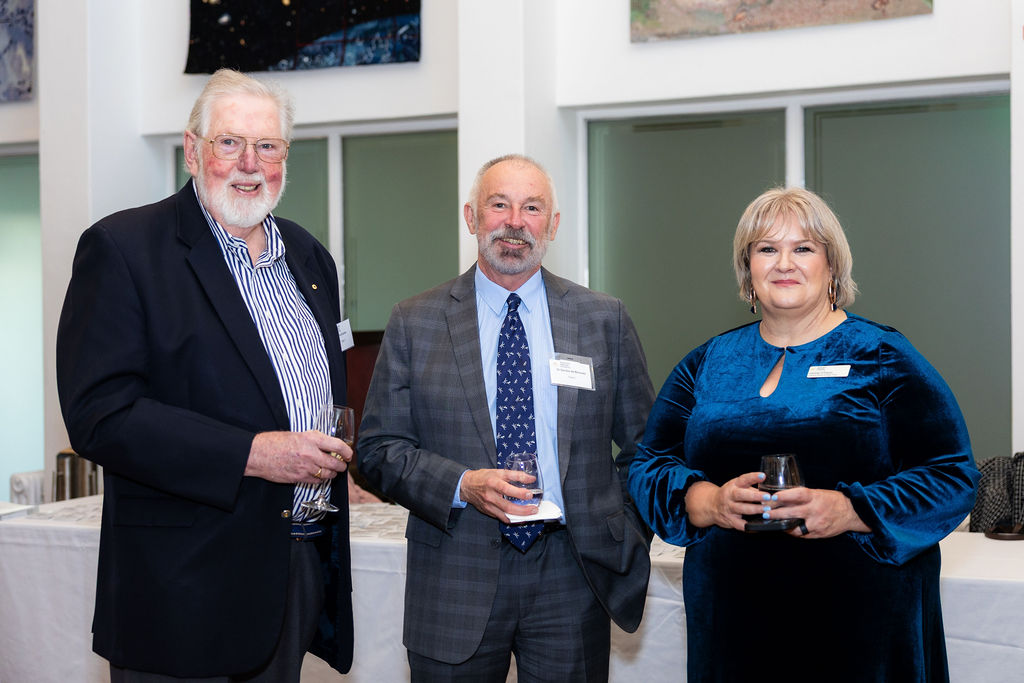
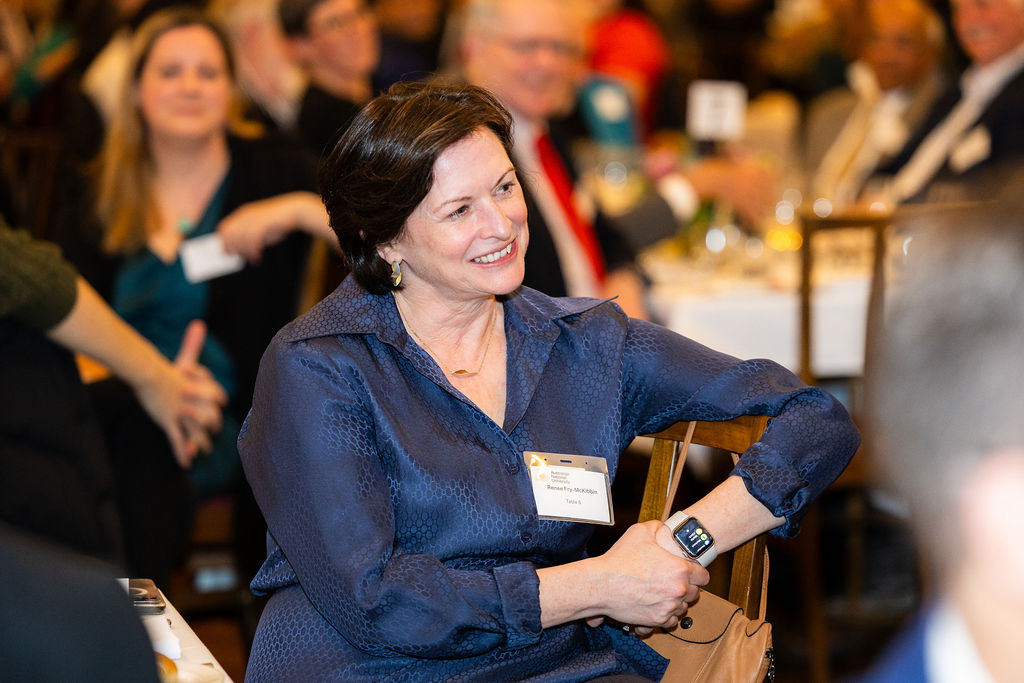
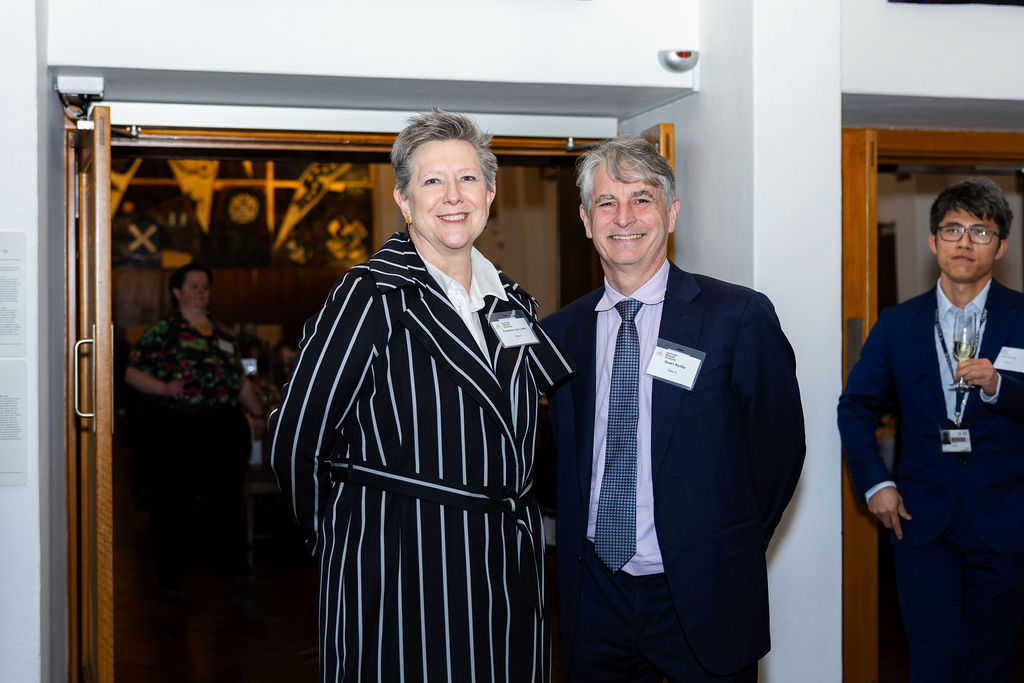
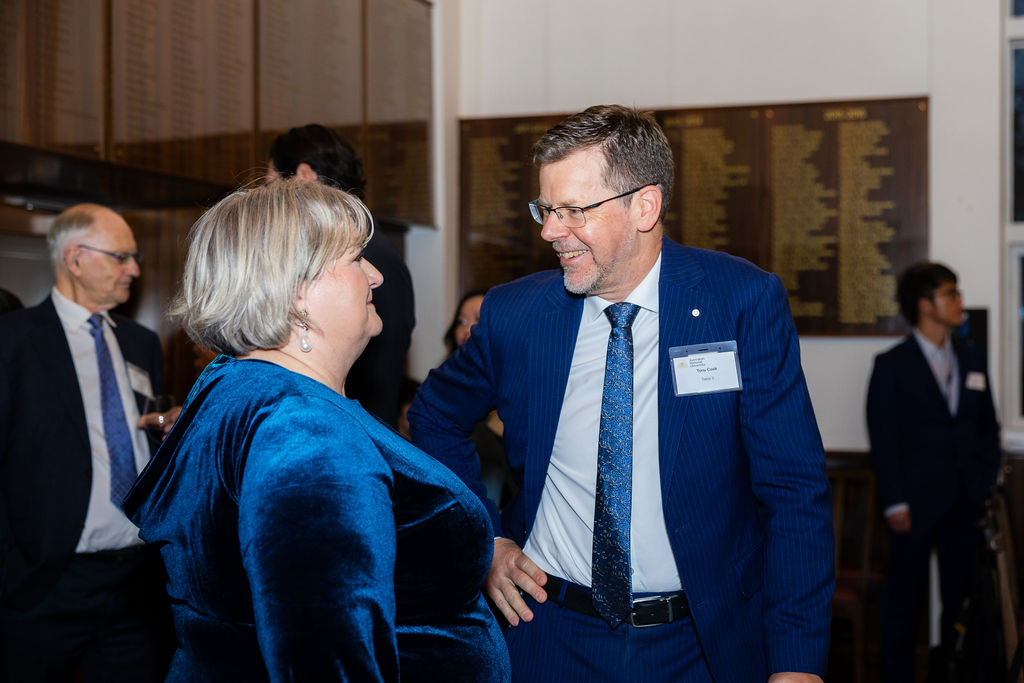
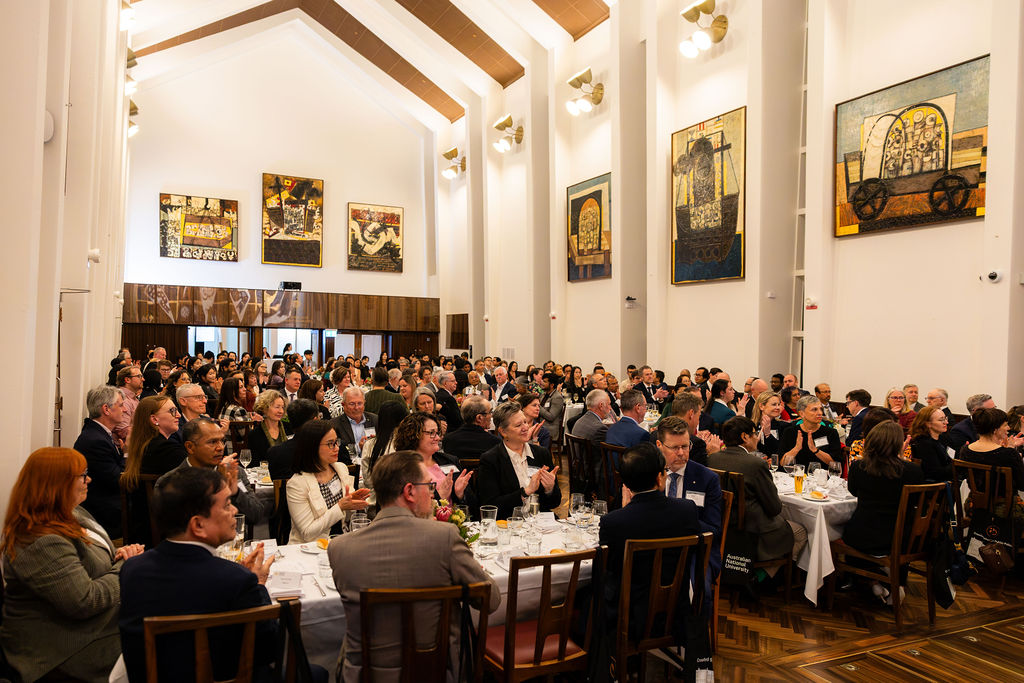
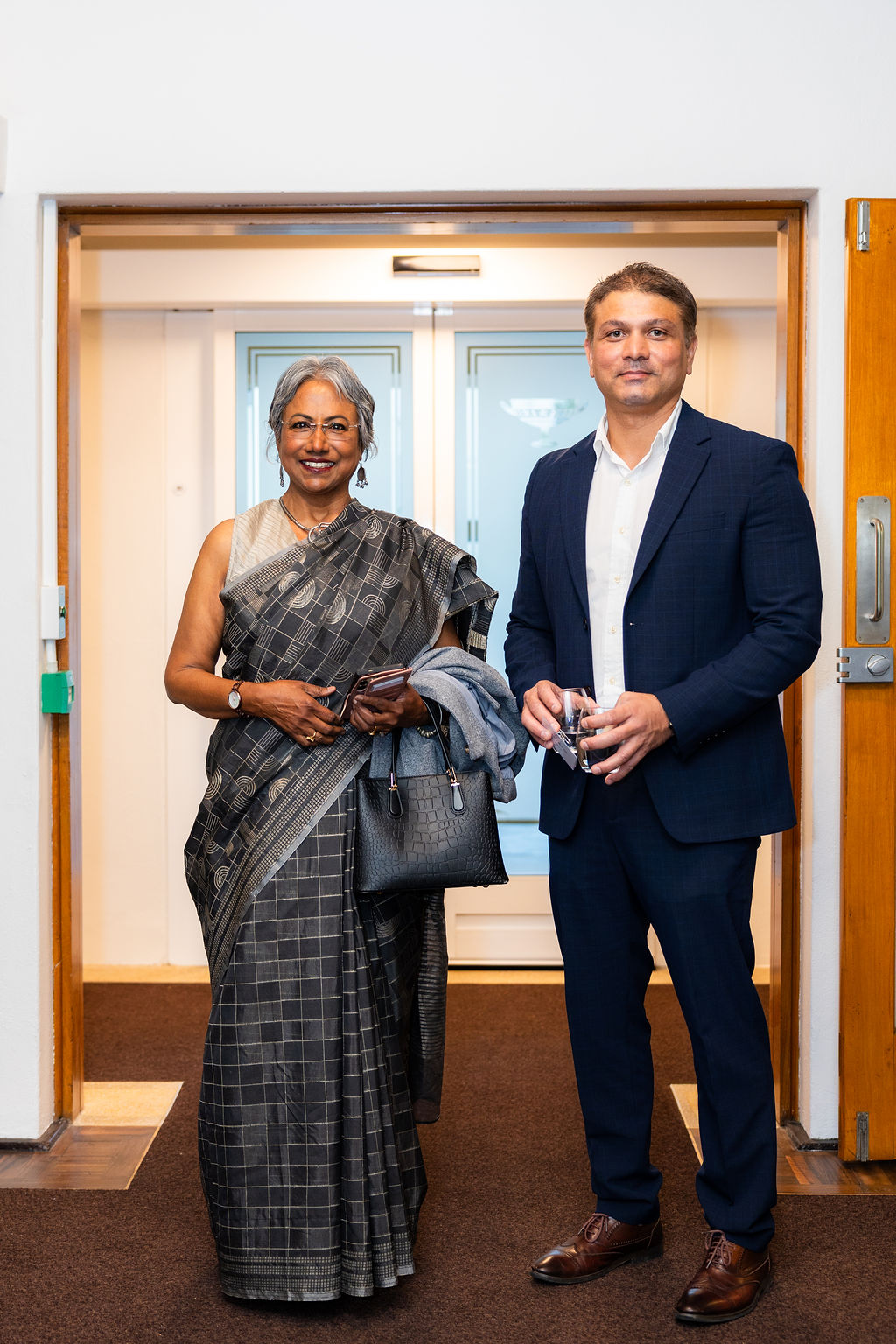
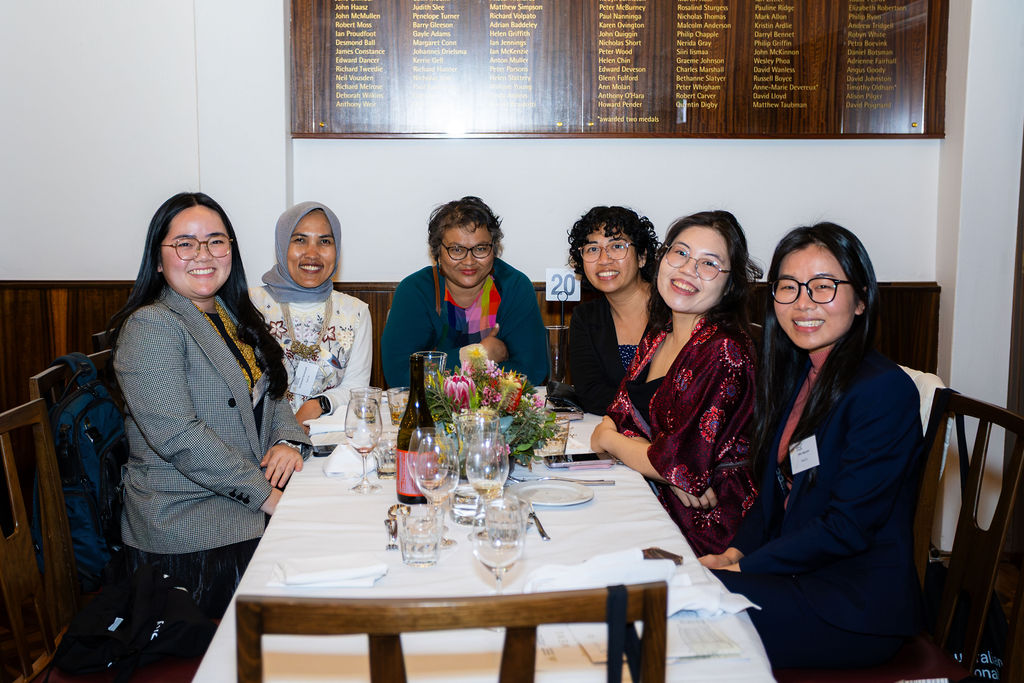
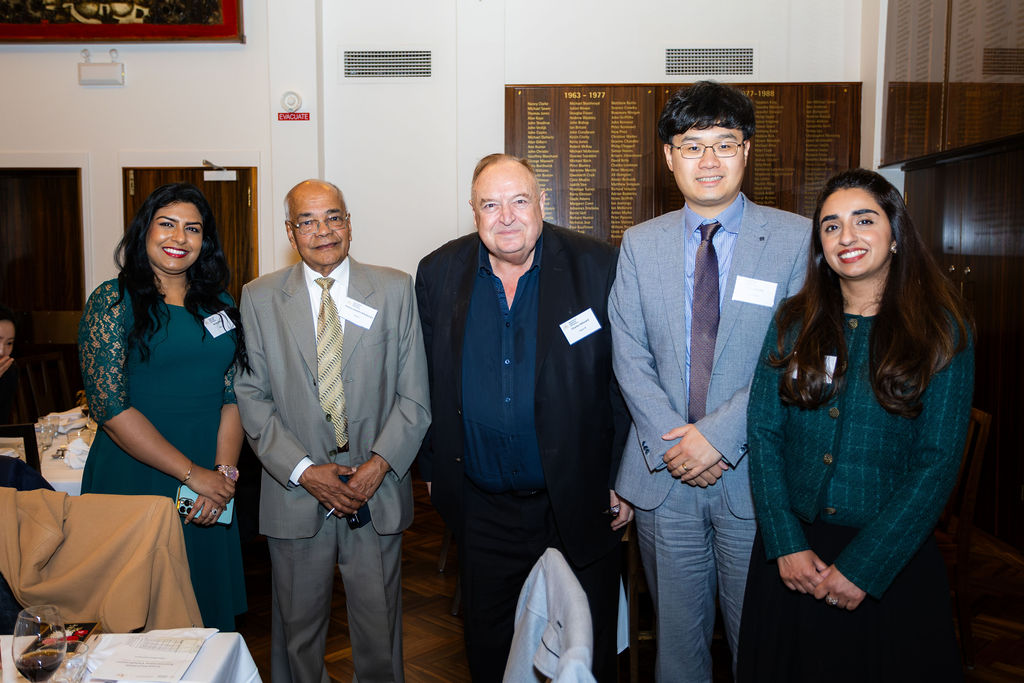
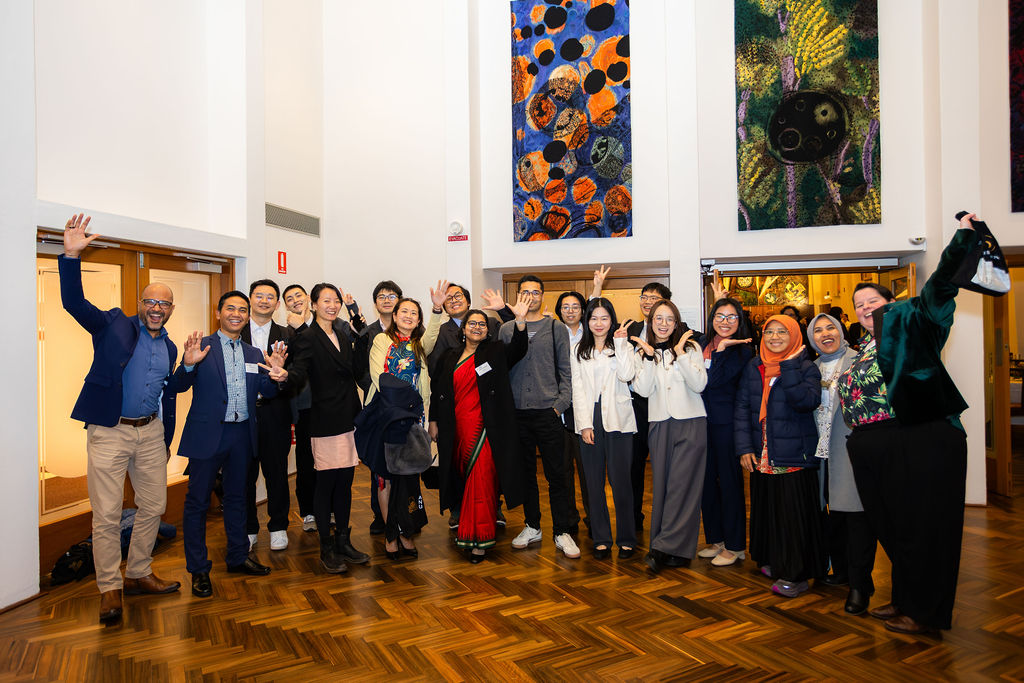
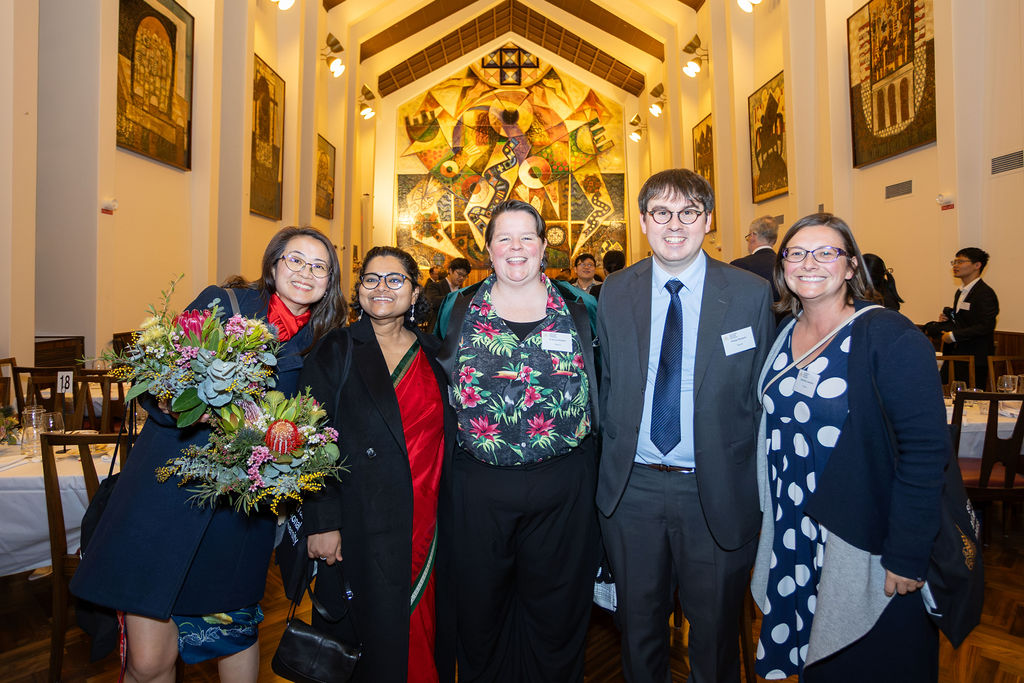
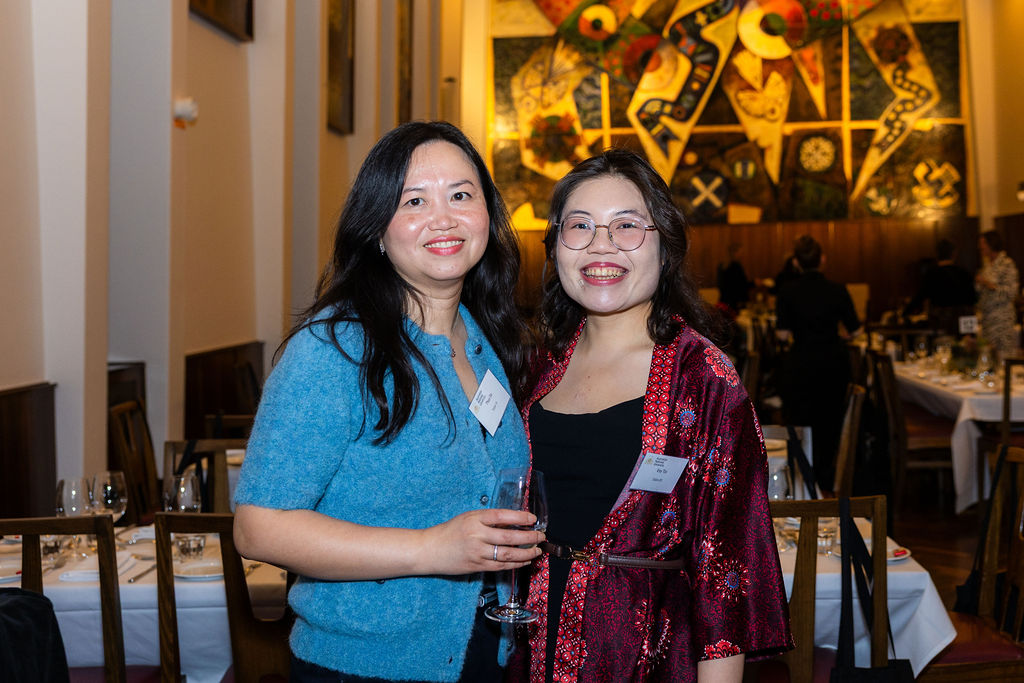
Reflecting on the people, ideas and institutions that shaped its first two decades, Crawford School of Public Policy brought its community together on 19 August 2026 to celebrate its 20th anniversary and look towards what comes next.
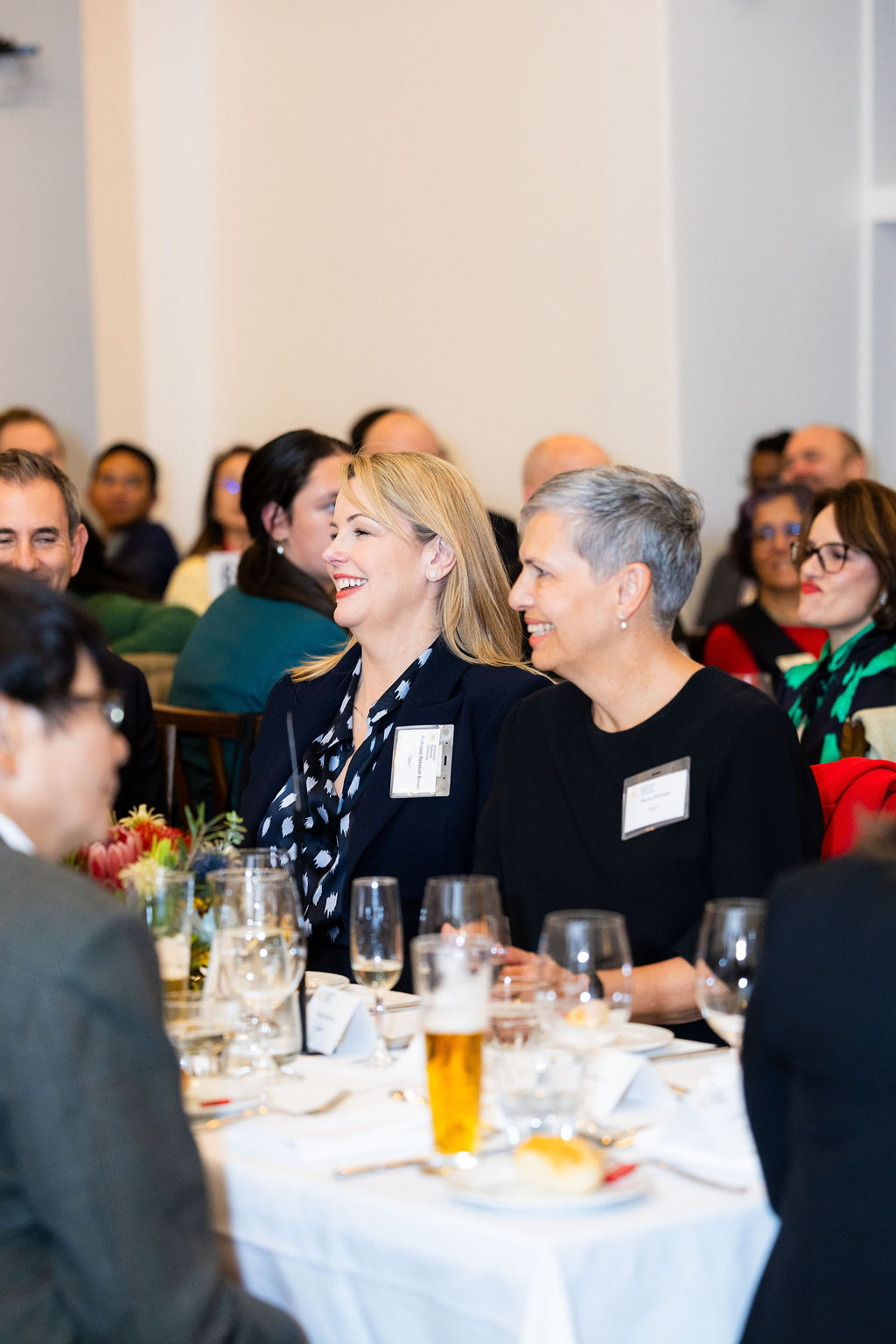
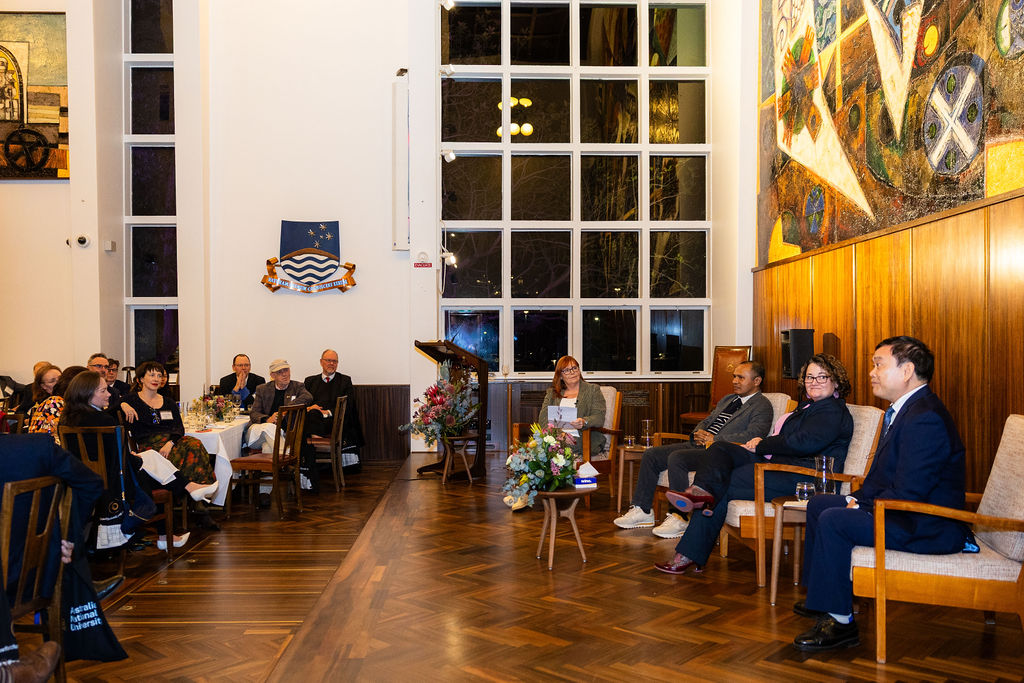
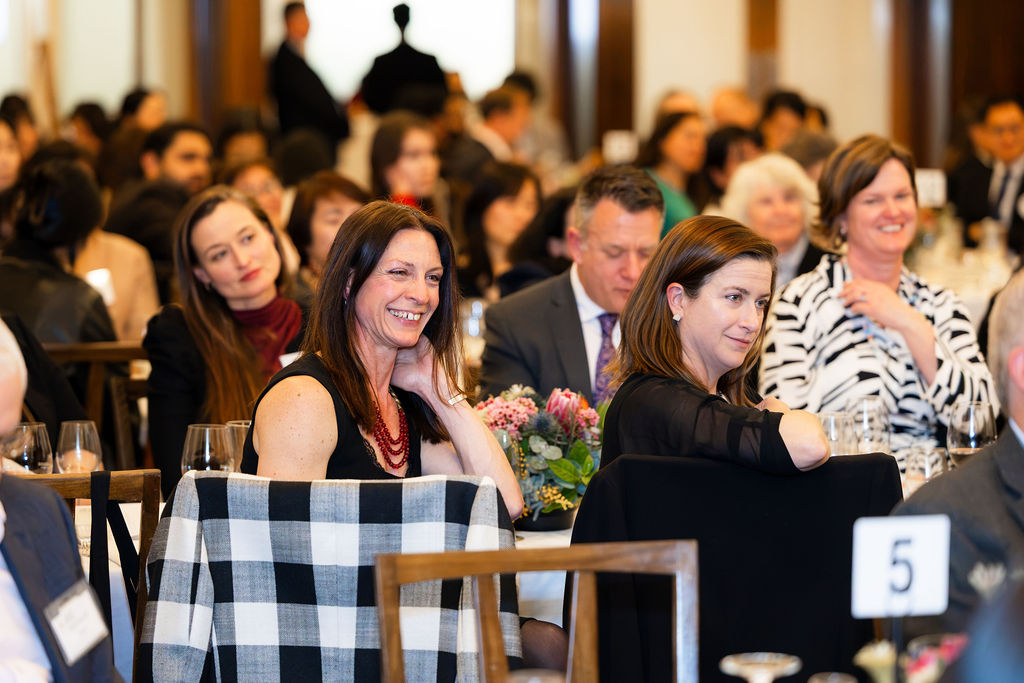
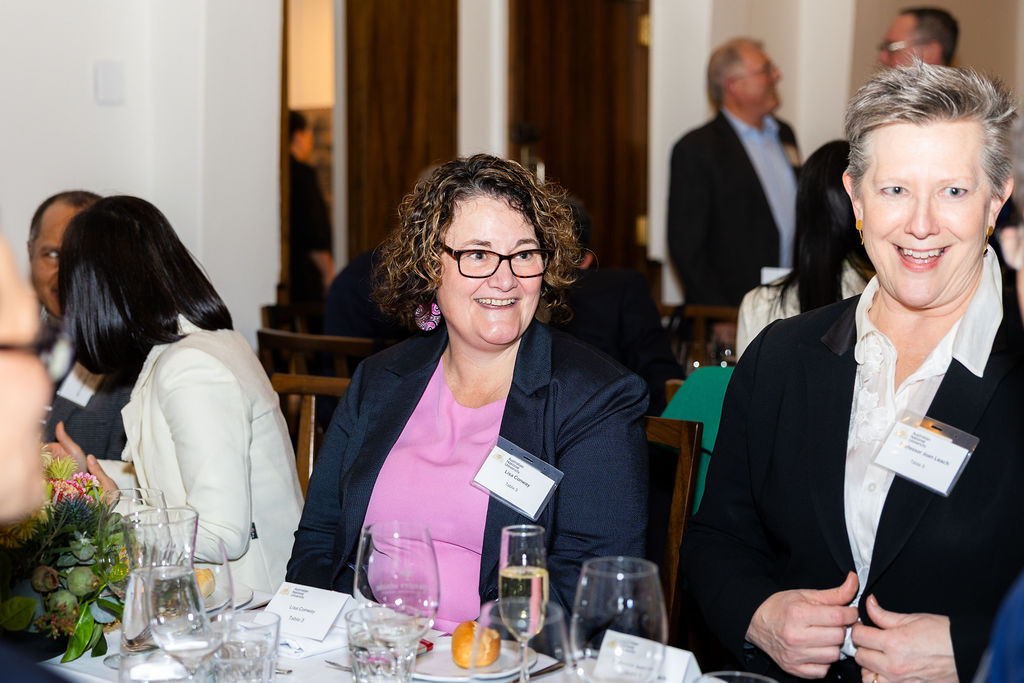
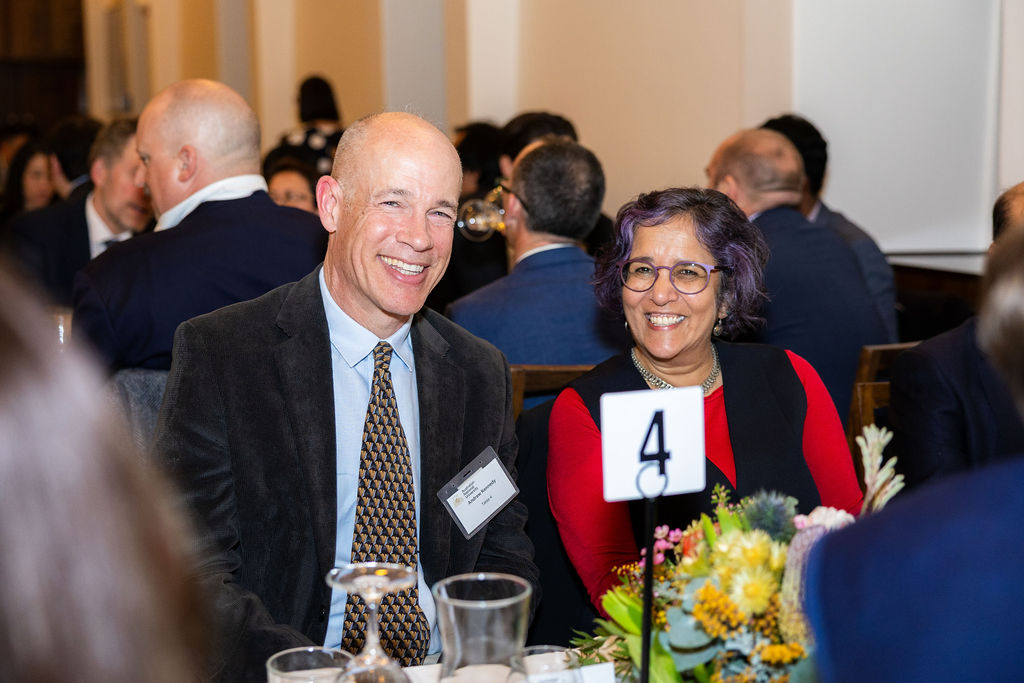
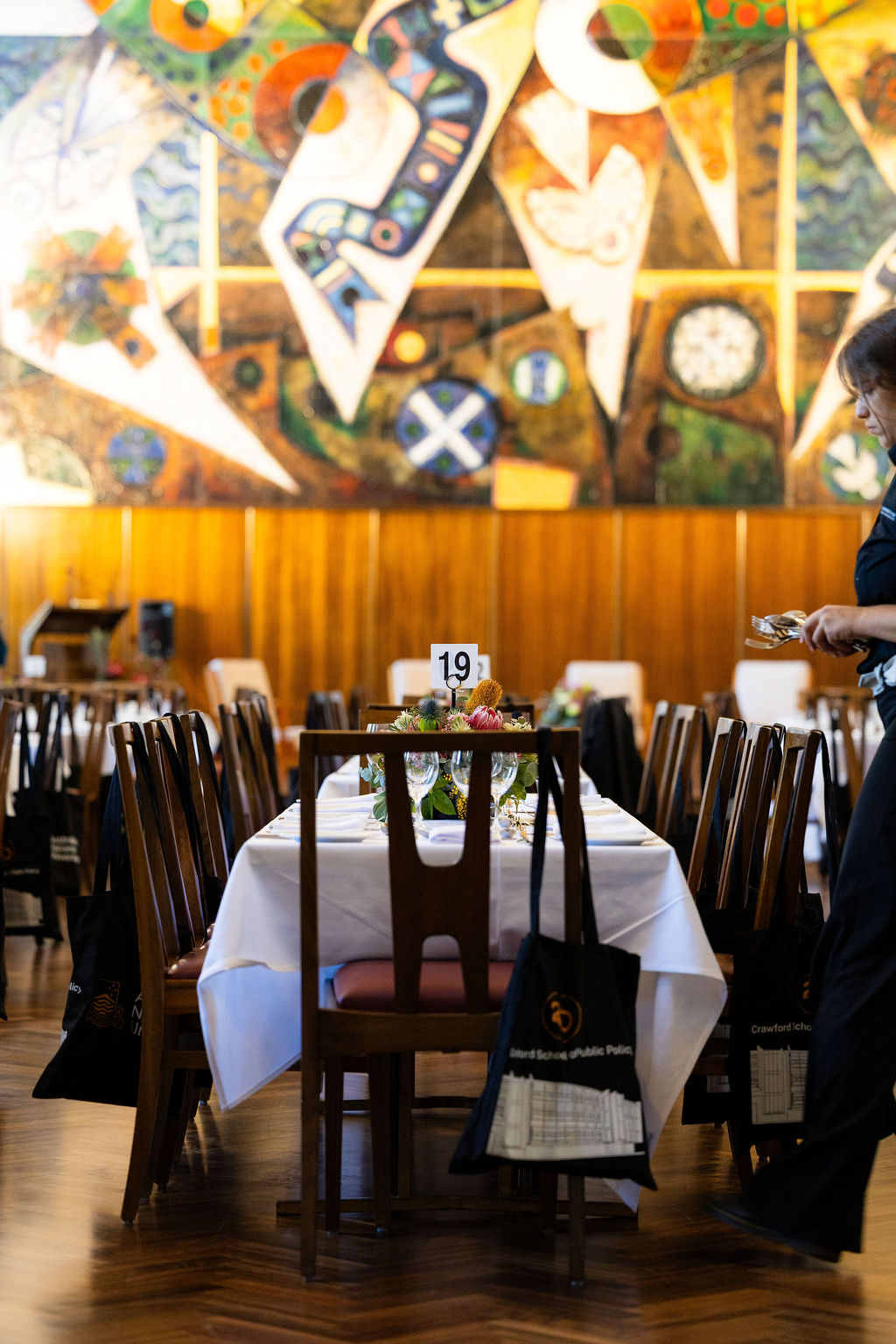
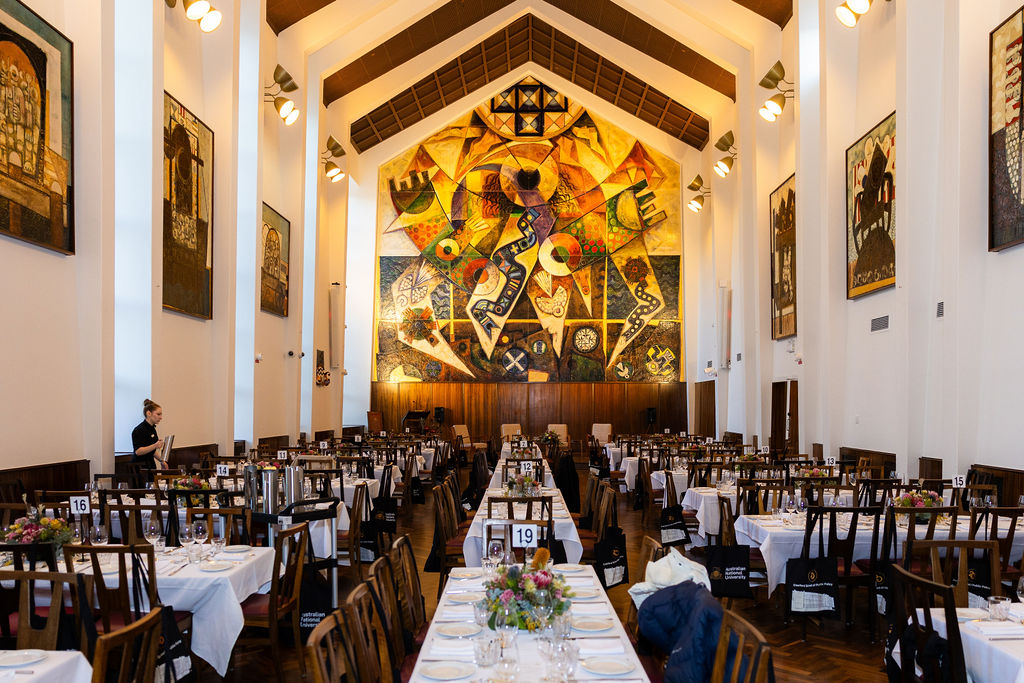
The anniversary dinner, held in the Great Hall of the recently reopened University House, turned the focus from Crawford’s history to its future at a time of rapid technological, social and environmental change.
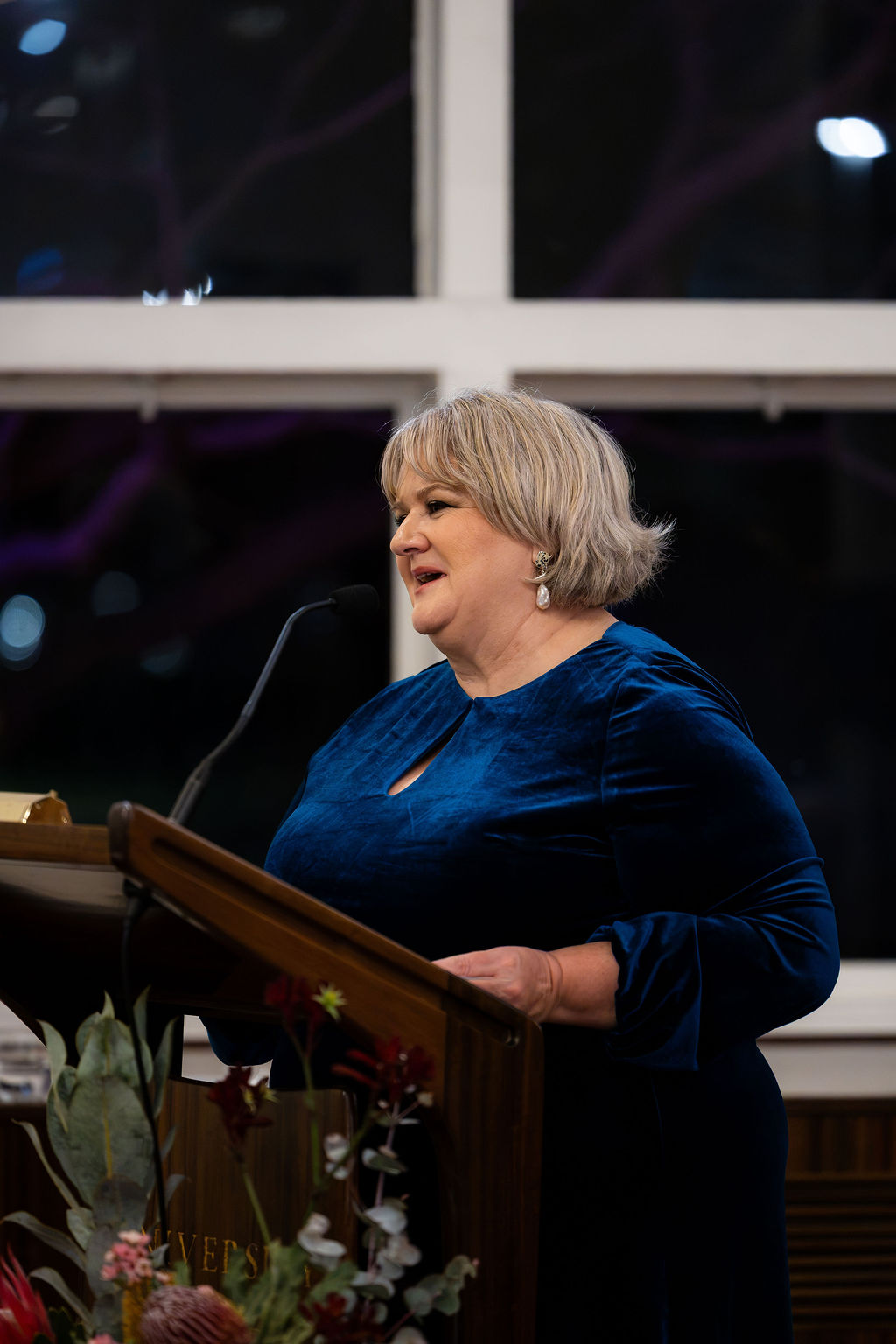
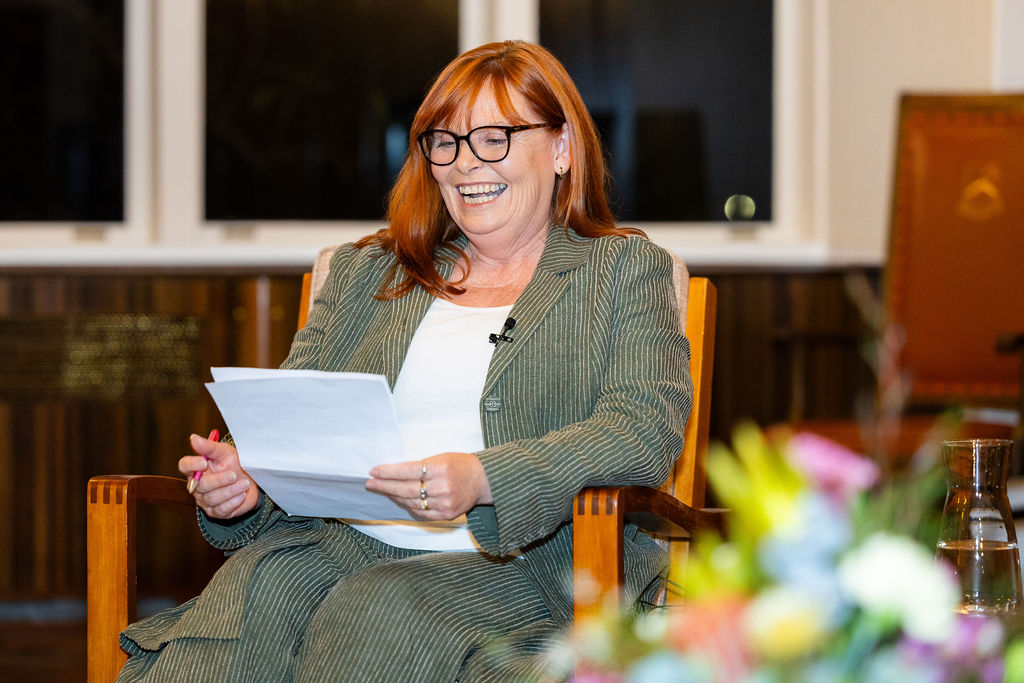
Crawford School Director Professor Janine O’Flynn reflected on the School’s journey in her opening remarks:
“Who we are today stands on the shoulders of many who have made incredible contributions in the past, including a series of visionaries who knew we need to join together to build something, and those that continued us along the path.”
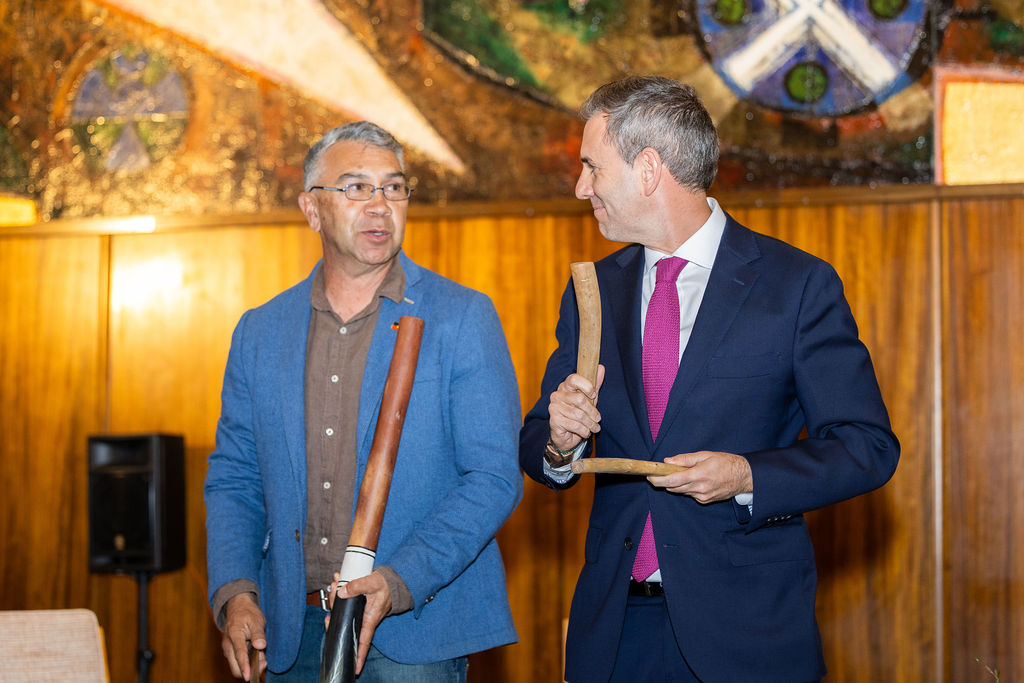
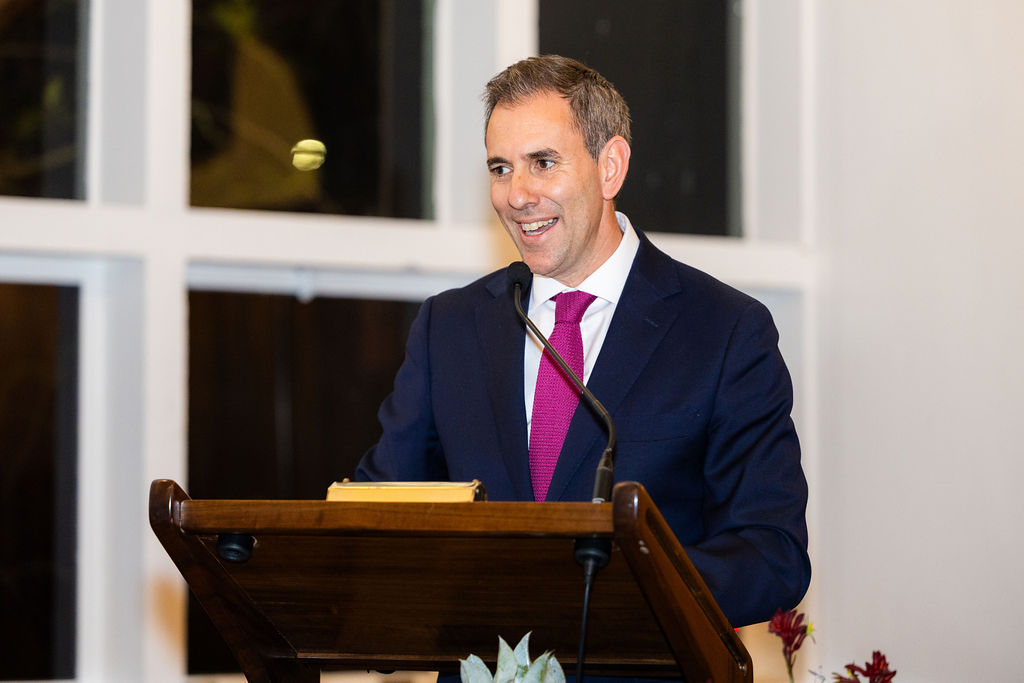
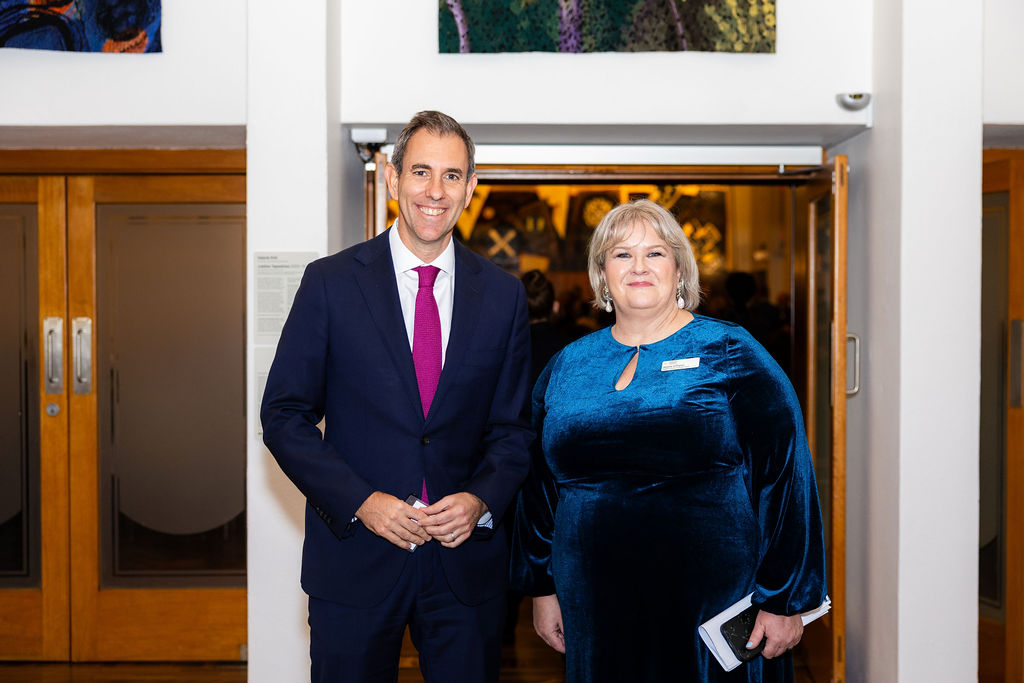
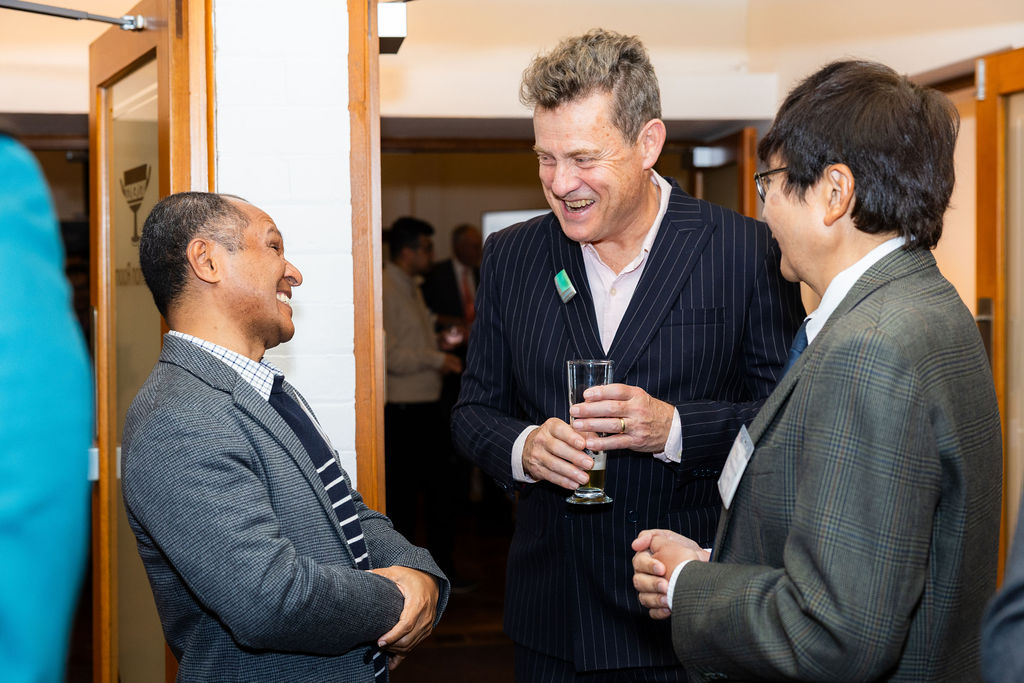
At the dinner, in his first engagement as Chancellor of ANU, Dr Gordon de Brouwer AO PSM FIPAA, warmly greeted everyone in attendance, including ANU alumnus and Treasurer the Hon Dr Jim Chalmers MP.
Dr Chalmers celebrated Crawford’s long tradition of influencing public debate and encouraged the School to continue its important intellectual and institutional contribution to public policy.
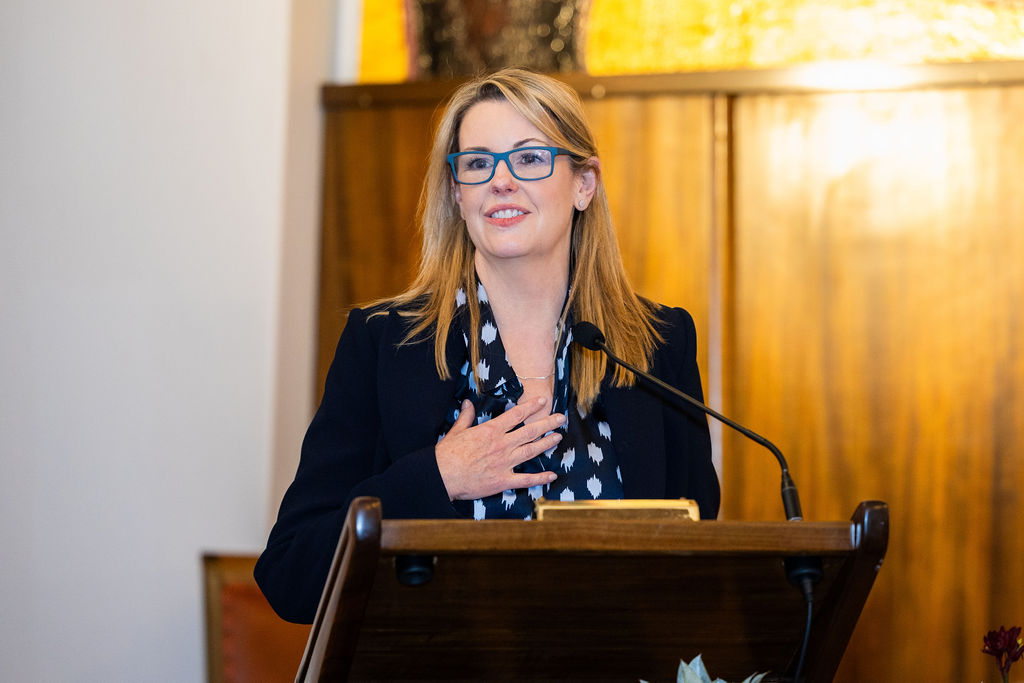
ANU Interim Vice-Chancellor Professor Rebekah Brown took to the stage, highlighting the School’s commitment to “pursuing knowledge, sharing it for the public good” and serving “the nation and the region”.
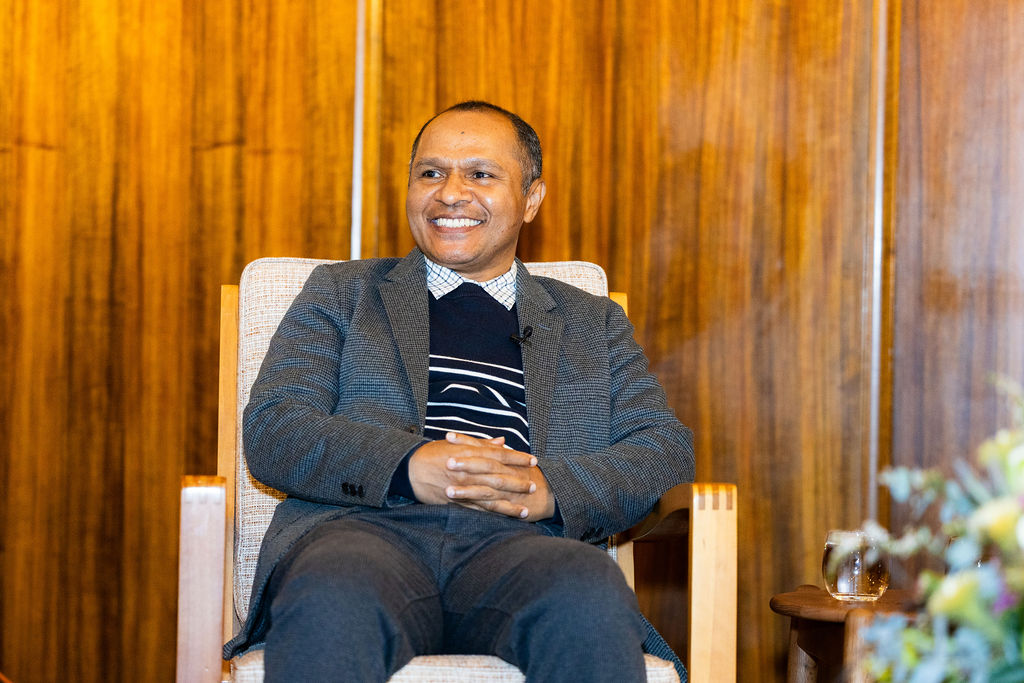
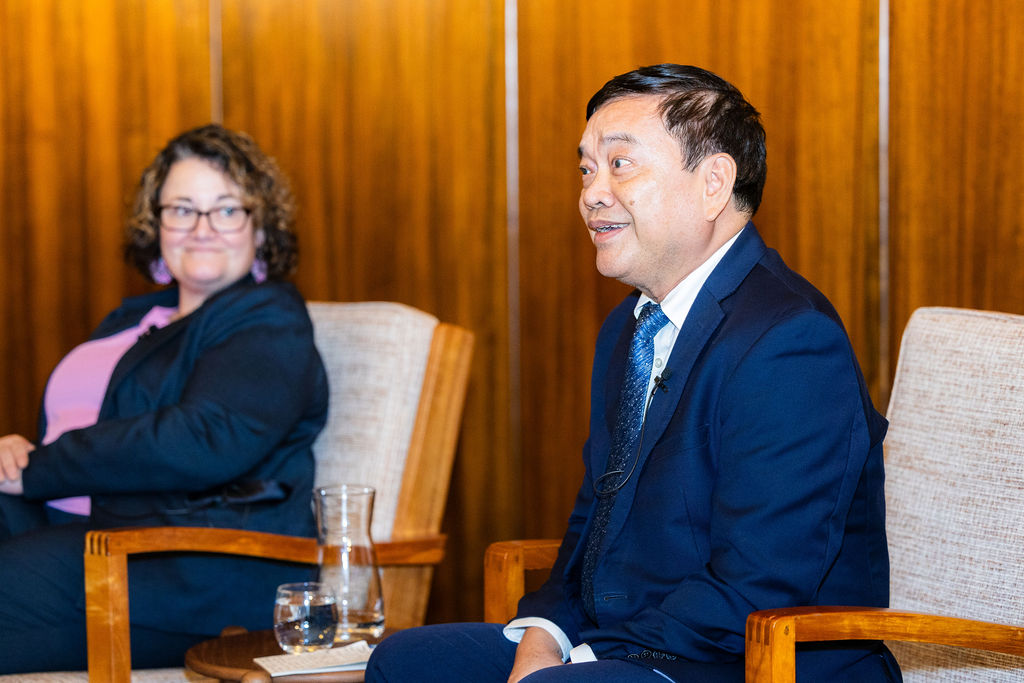
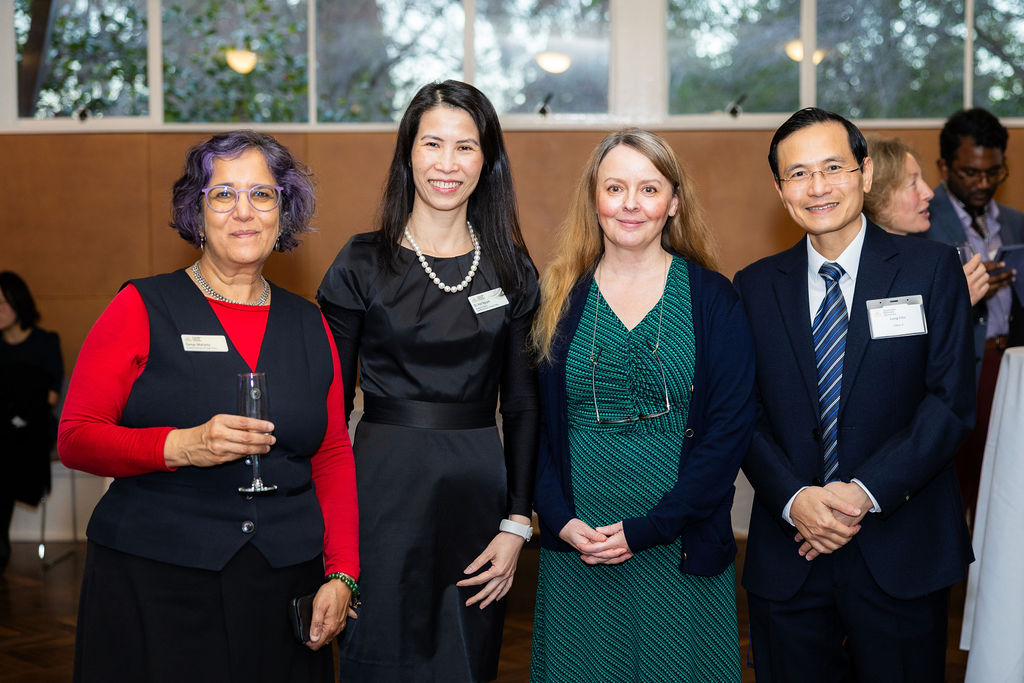
A panel of three Crawford alumni working across government and higher education in Australia, Indonesia and Vietnam then explored how policy leaders can respond to a rapidly changing world.
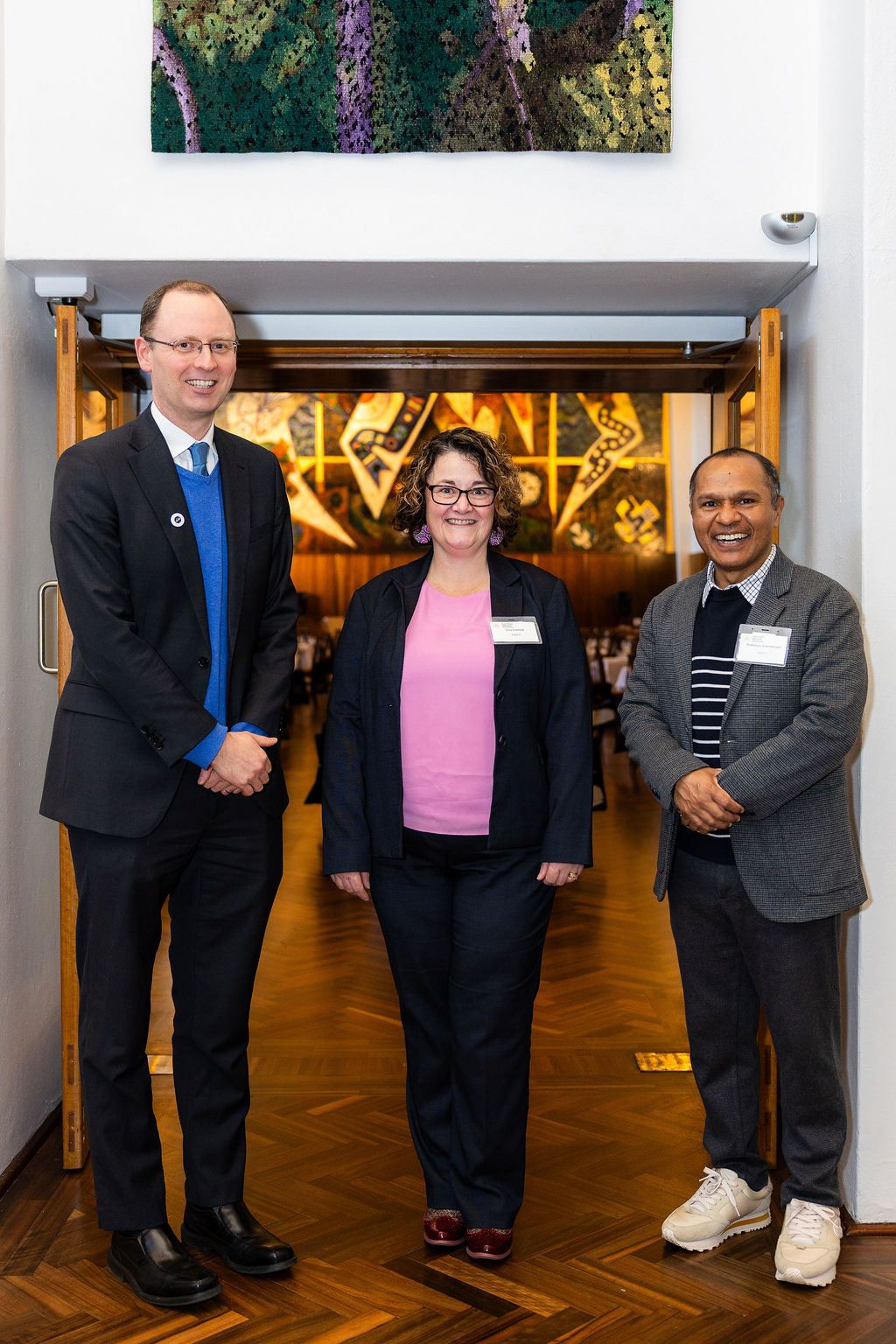
Dr Lisa Conway, Professor Gabriel Lele and Professor Tran Tho Dat identified humility, agility, global perspectives and a willingness to draw on diverse knowledge systems as essential qualities for navigating an increasingly complex world.
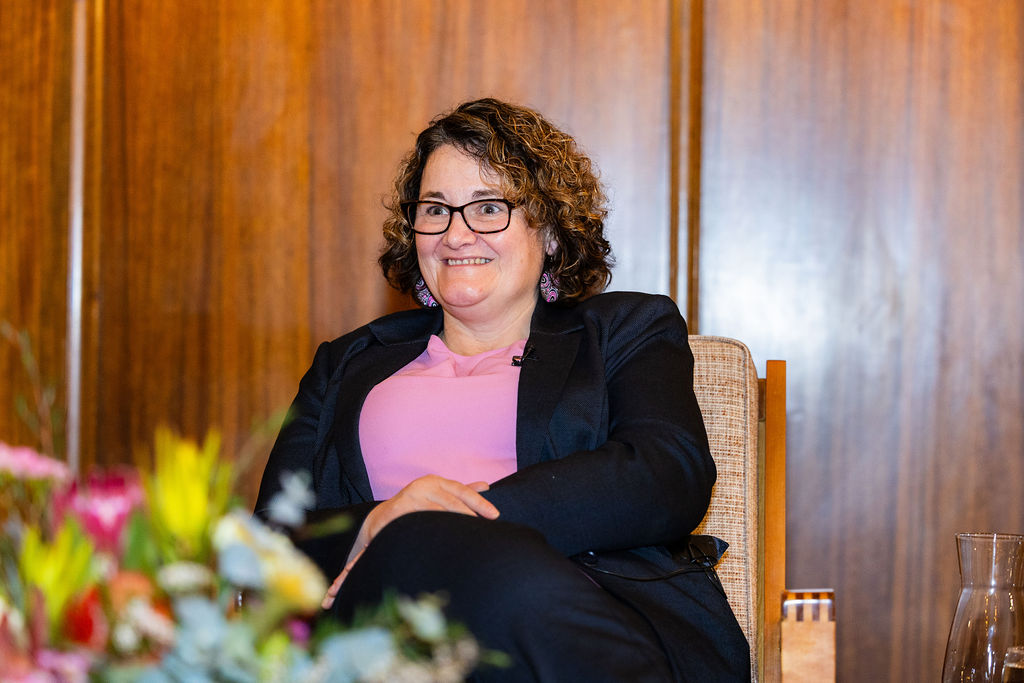
Dr Lisa Conway, a Yorta Yorta woman who completed her PhD at the Crawford School, is now the Lead of the First Nations and Targeted Policies Branch at the Australian Government. She said better policy starts by drawing on different knowledge systems.
Conway highlighted the value of bringing together First Nations knowledge and modern science when responding to issues such as climate change, labour market disruption and displacement.
She also emphasised the need for humility when applying expertise, particularly in an environment shaped by misinformation and disinformation. For policy leaders, she said, expertise should not simply fill the conversation but help create space for engagement and other voices.
Professor Gabriel Lele, from Gadjah Mada University in Indonesia, stressed the importance of being both locally grounded and internationally informed.
“Locally rooted, globally connected,” he said, referring to a principle developed with his team.
Lele, who completed his PhD at Crawford in 2008, also reflected on advice from his supervisor and founding Crawford Director Emeritus Professor Andrew Macintyre, who also attended the celebration: "Be empathetic for your country and your people.”
For Lele, this also means inclusive leadership: policy-making should go beyond technical and academic rationality and recognise the importance of emotion, experience and history.
Professor Tran Tho Dat, a Crawford alumnus and now a leading economist at National Economics University in Vietnam, highlighted another essential quality: adaptability.
“Today's leadership is about agility, digital fluency, and still showing trust,” he said, emphasising the need for leaders to respond rapidly to change while maintaining public and institutional trust.
The panel’s reflections echoed broader messages shared throughout the anniversary dinner about the role Crawford can play in responding to contemporary policy challenges.
Professor O’Flynn said, “A deep commitment to service, and to impact and influence had been in our DNA from the start.”
As Crawford enters its next 20 years, the message is clear: shaping the future of public policy will require bringing people and perspectives together, connecting knowledge with practice, and turning expertise into meaningful public impact.
Read Crawford School's history and legacy here: Crawford at 20: The name that connects generations