Congratulations Dr Riswandi (Universitas Syiah Kuala), on the completion of a research project examining how climate change relates to the wellbeing of Indonesians with disabilities.
The ANU Indonesia Project is pleased to congratulate Dr Riswandi (Universitas Syiah Kuala)—a recipient of the 2024–2025 Collaborative Research Grant—on the completion of his research project examining how climate change relates to the wellbeing of Indonesians with disabilities and the human capital outcomes of their children.
This study was undertaken in collaboration with Dr Kate Sollis (University of Tasmania) and Dr Wannaphong Durongkaveroj (Ramkhamhaeng University). We also acknowledge the valuable partnership of The SMERU Research Institute, who co-manage the Collaborative Research Grants program and continue to support the development of high-quality research across Indonesia.
About the Research
Using both national data from the Indonesian Family Life Survey (IFLS) and a household survey conducted in Aceh Province, the project explores whether people with disabilities experience different wellbeing outcomes in areas more exposed to climate change, and whether parental disability affects children’s education and nutrition.
Full Abstract
Persons with disabilities face unique and disproportionately severe risks from climate change, shaped not only by physical impairments but also by social, economic, and institutional barriers. This study asks the extent to which climate change disproportionately affects the well-being of people with disabilities and the human capital accumulation of their children. We utilise two main data sources: the Indonesian Family Life Survey – a nationwide longitudinal survey – and our own household survey conducted in two neighbouring districts in Aceh Province.
From the national survey, we find that people with disabilities living in districts with high exposure to climate change do not show a negative association with their wellbeing, indicating no climate impact on the wellbeing of people with disabilities. Moreover, parental disability has a positive but statistically insignificant association with children’s years of schooling, underweight, and overweight status, suggesting no evidence that having a disabled parent affects their children’s educational or nutritional outcomes.
Nevertheless, individuals with disabilities exhibit lower overall wellbeing scores than those without disabilities. In line with the nationwide evidence, the results of our household survey also show that disability status is consistently negatively associated with wellbeing. Additionally, across the four dimensions of the Indonesian Wellbeing Scale – basic needs, social relations, acceptance, and spirituality – we find that disability is strongly associated with lower wellbeing in the basic needs subscale, indicating that material deprivation remains a central challenge for this group.
Policy recommendations should prioritise ensuring access to basic needs through social programs and inclusive development by providing equal opportunities to participate in economic activities while simultaneously reducing social and institutional barriers.
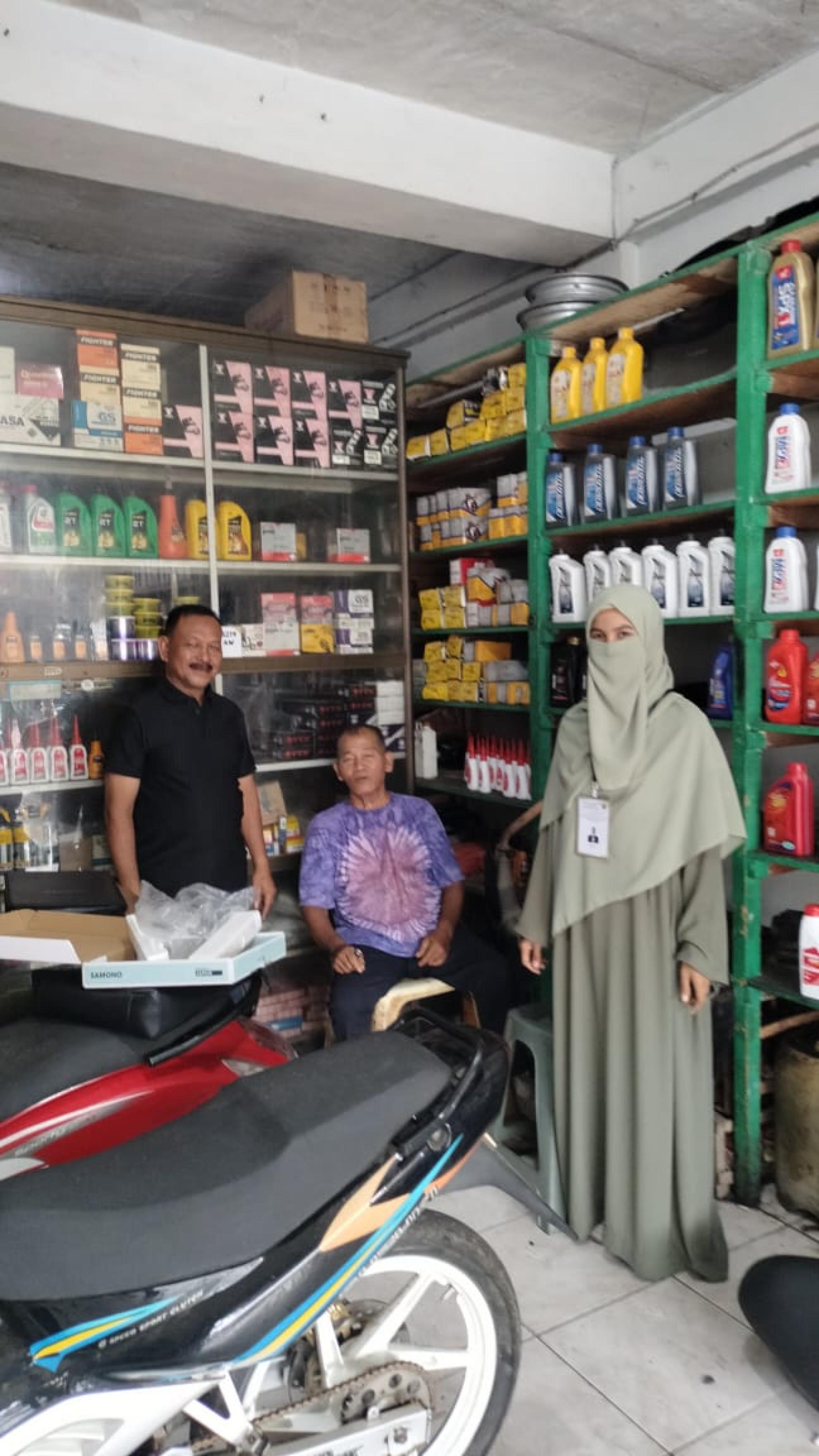
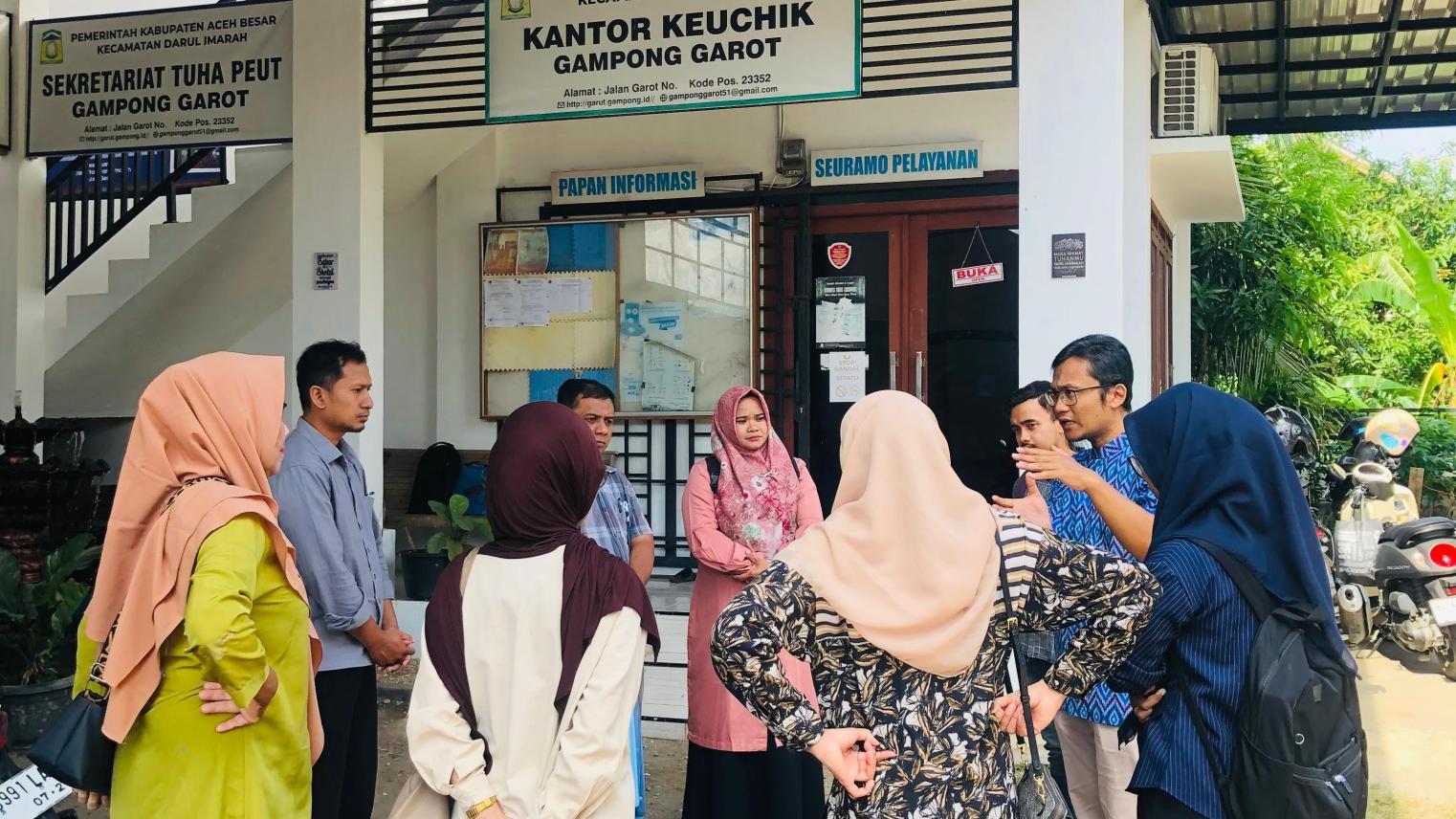
The research team's findings offer helpful insights into the experiences of Indonesians with disabilities and contribute to ongoing discussions on inclusive social policy and climate resilience. The Project congratulates Dr Riswandi and his collaborators and appreciates their contribution to the Collaborative Research Grants program. Some photos shared by the research team in the field in Aceh Province can be found below.