Symposium at ANU Explores Islam, Gender, and Ecological Economies in Southeast Asia
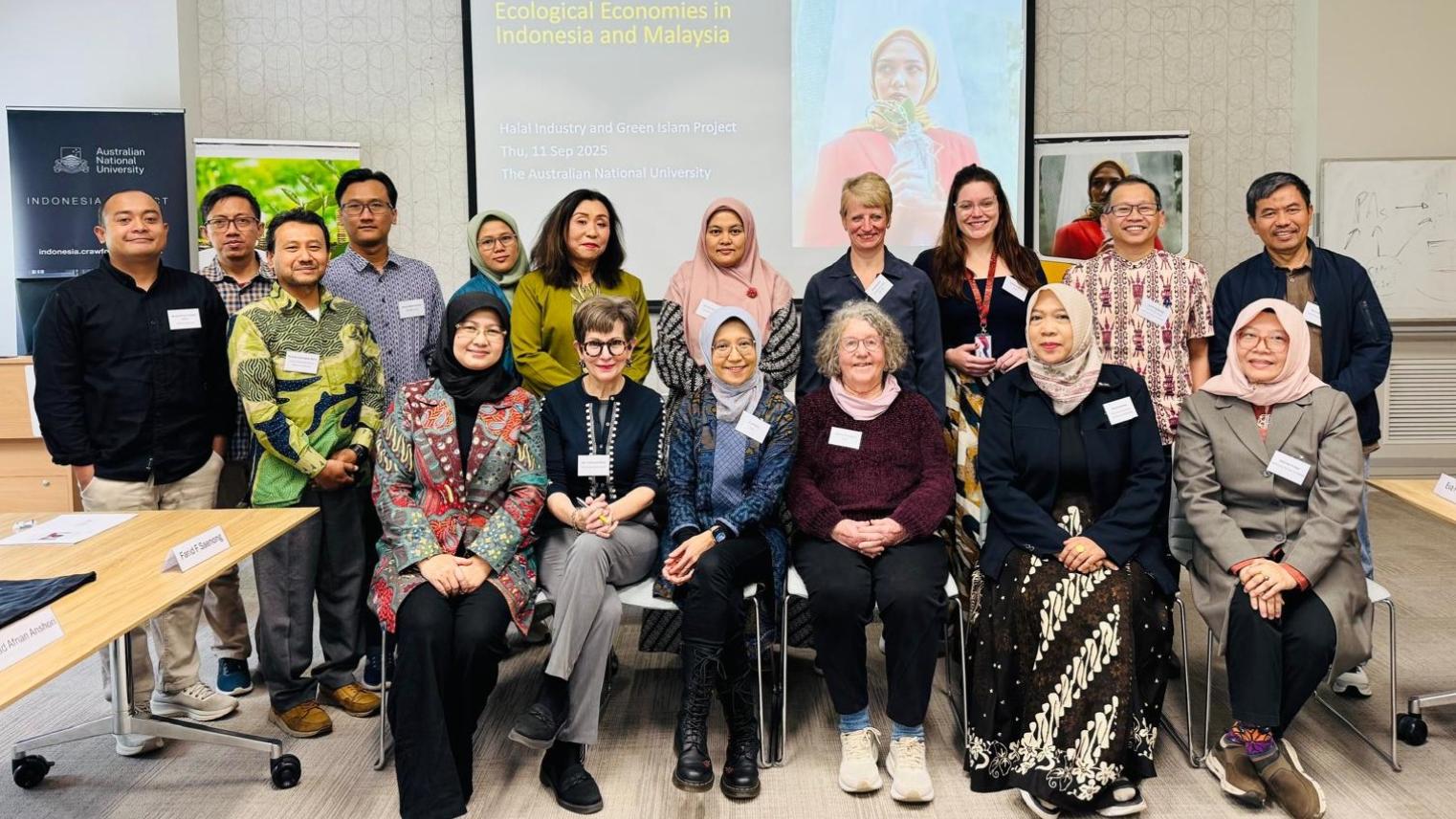
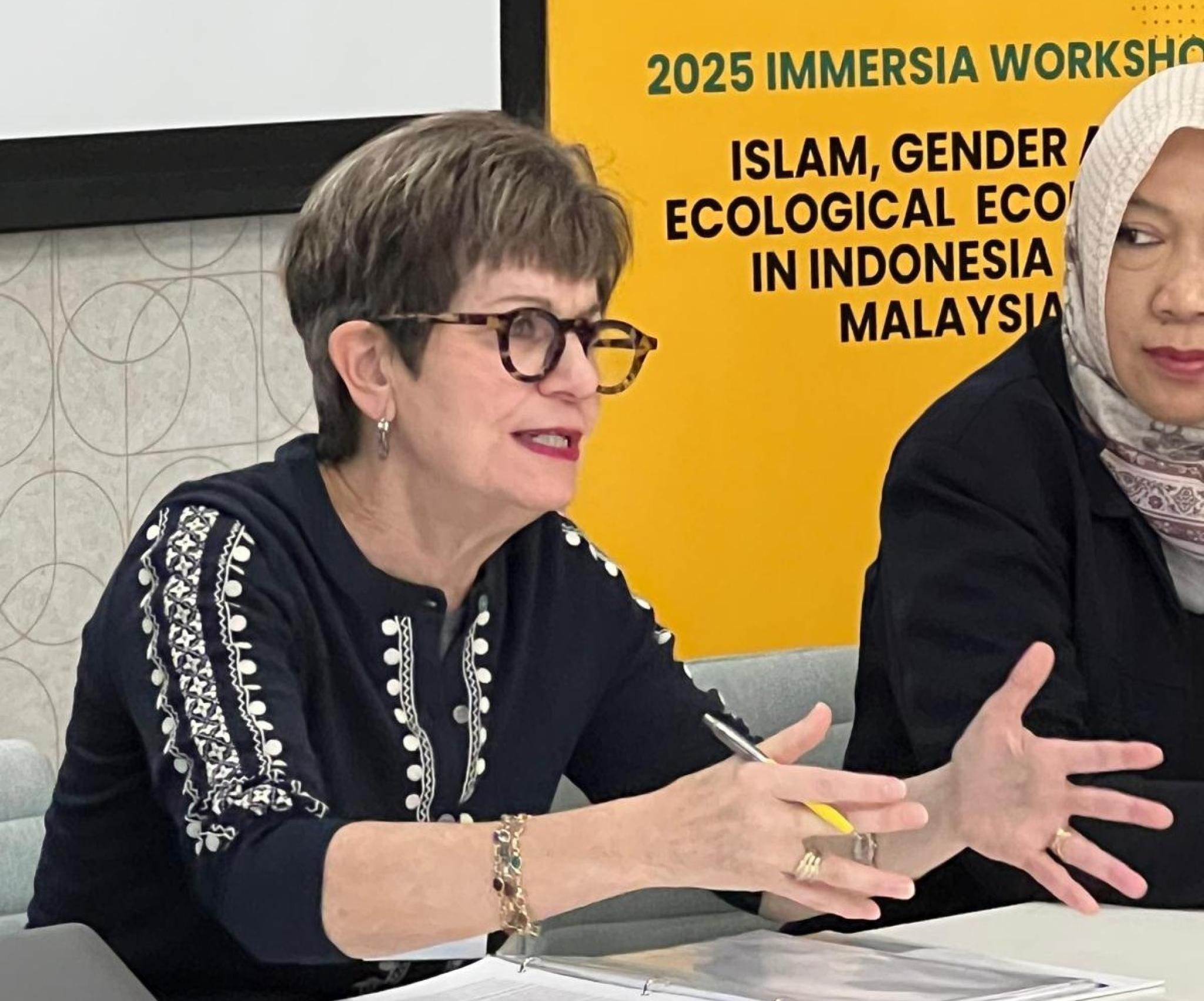
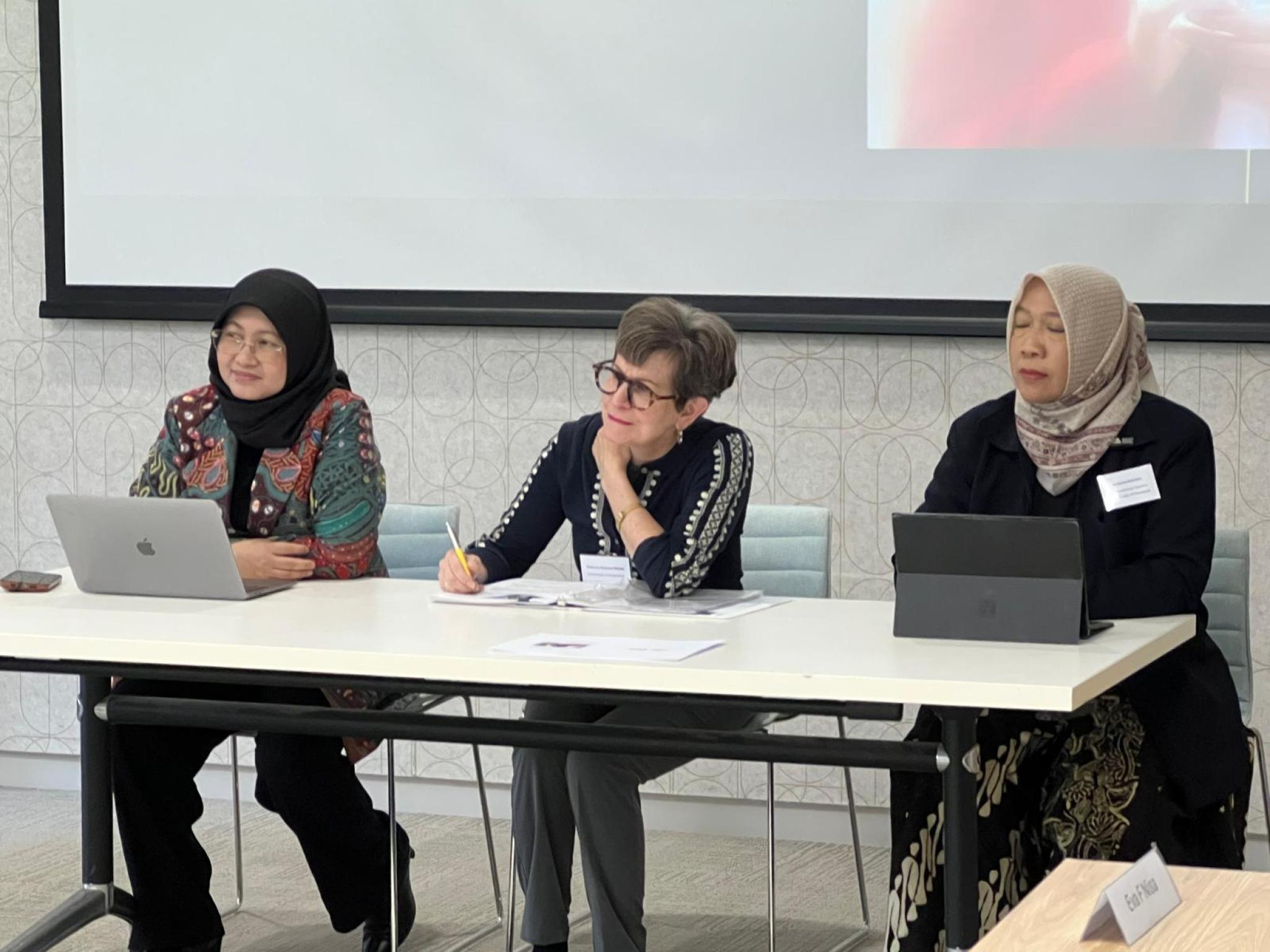
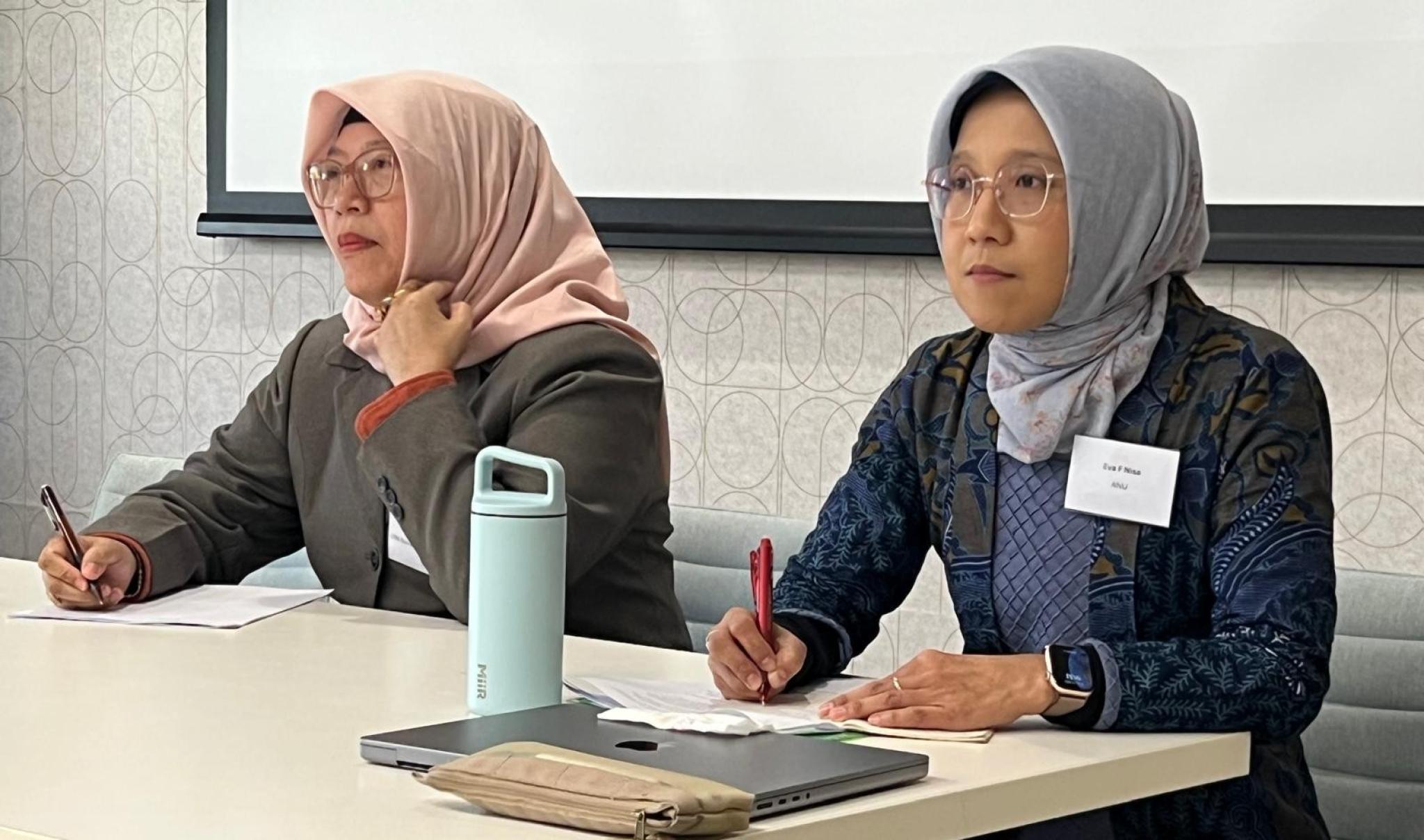
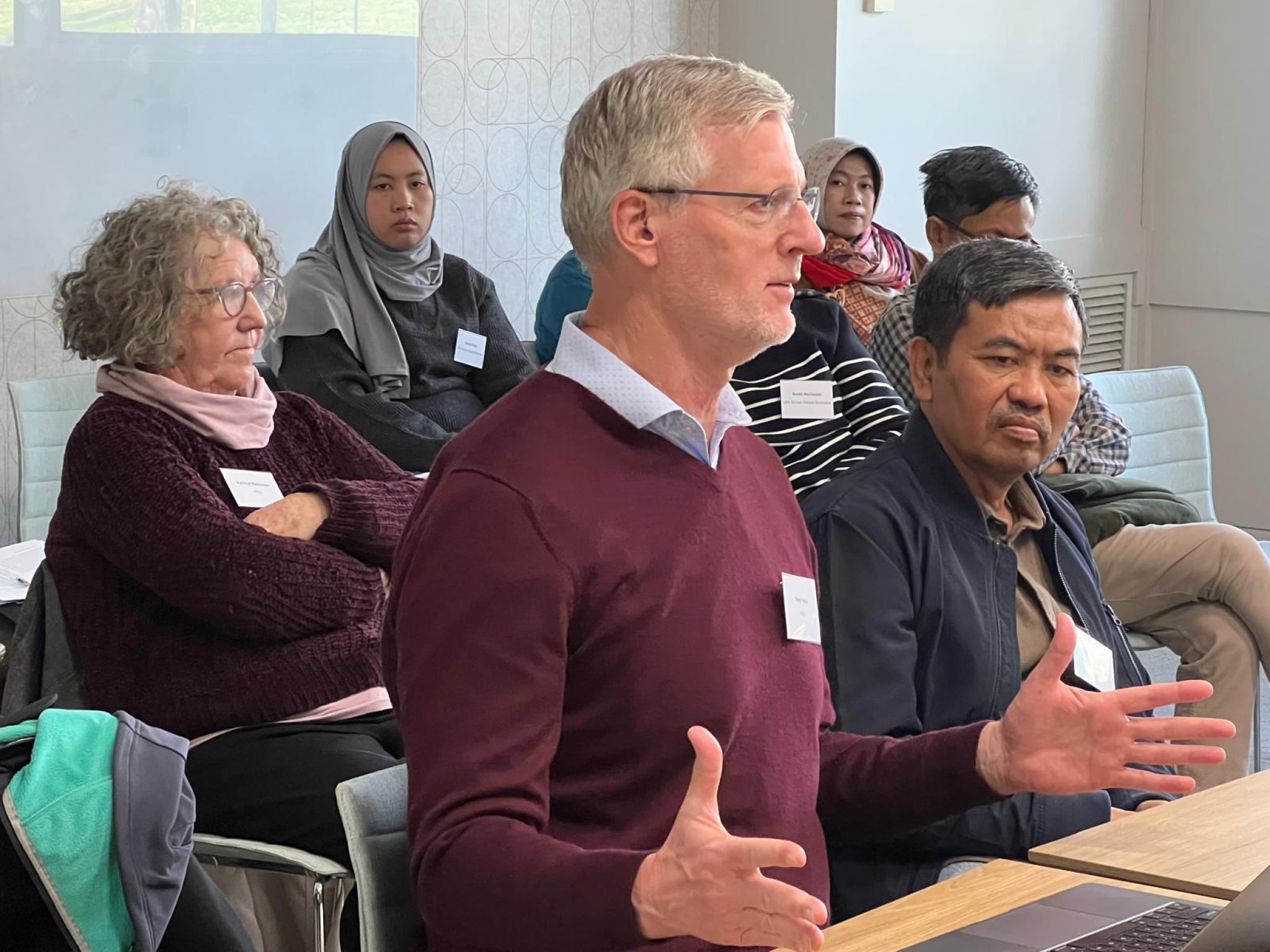
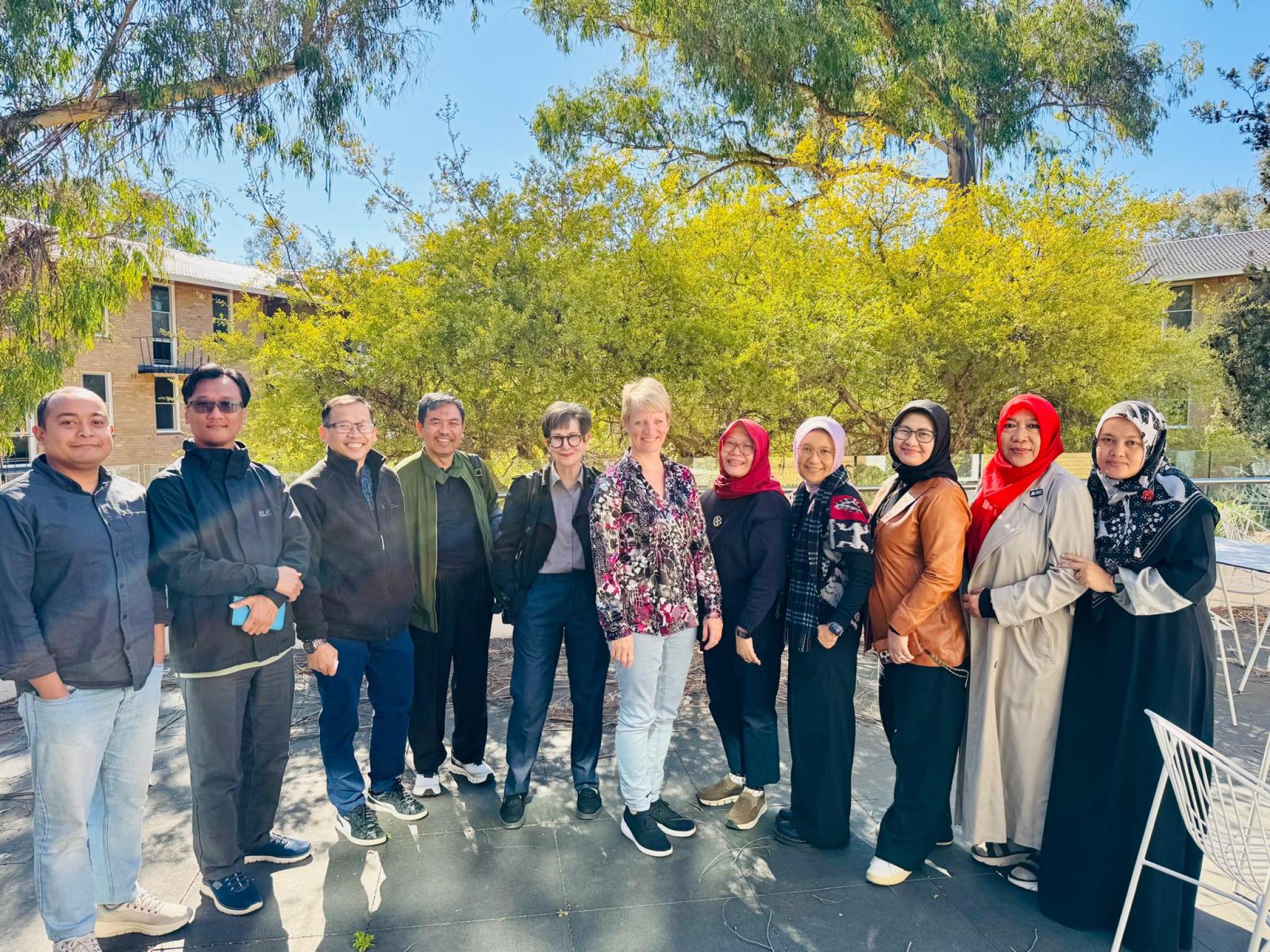
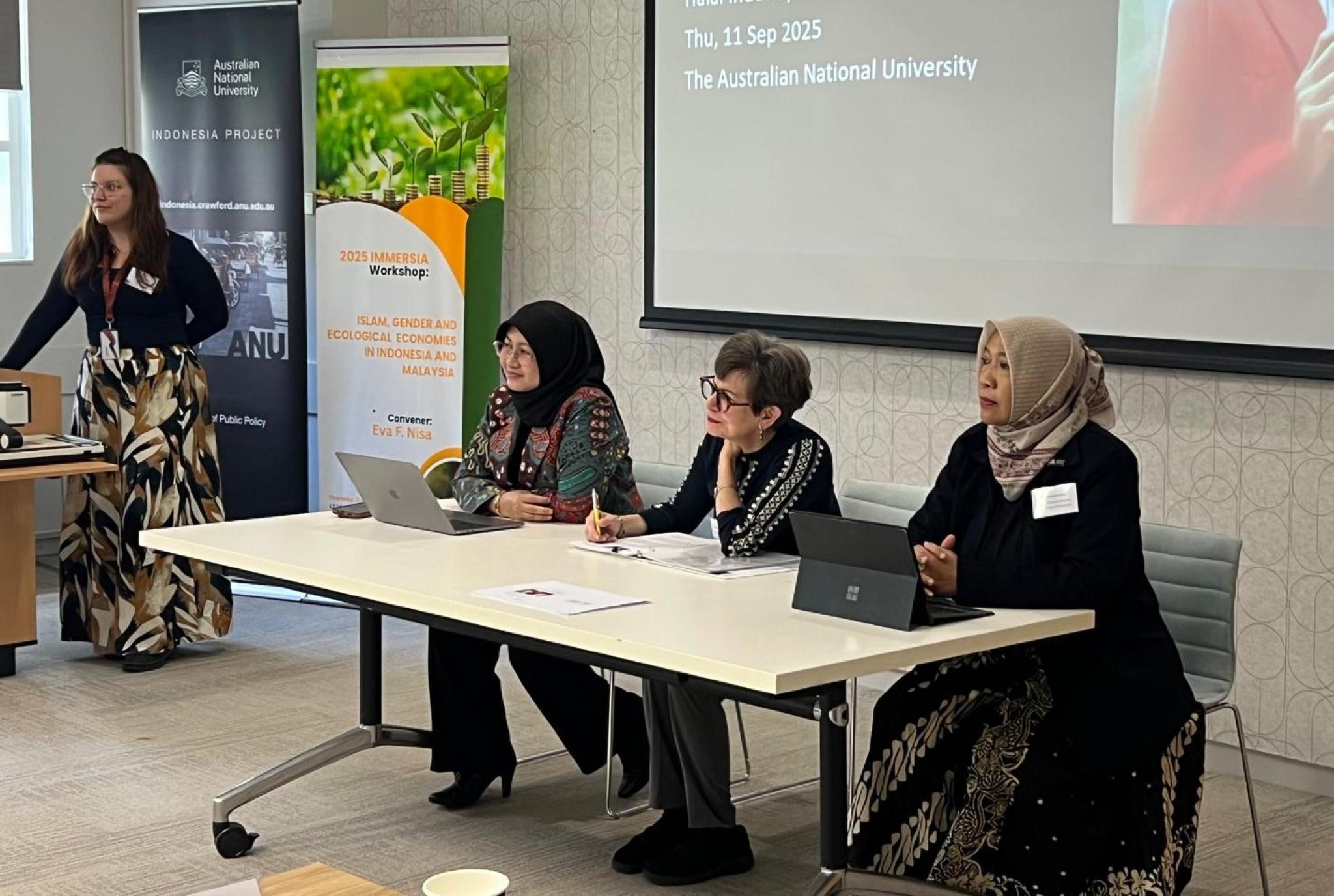
On Thursday, 11 September 2025, leading scholars from Australia, Indonesia, Malaysia, the United States, the Czech Republic, and the United Kingdom gathered at The Australian National University for a day-long symposium on Islam, Gender, and Ecological Economies in Indonesia and Malaysia. Convened by A/Prof Eva Nisa as part of her ARC DECRA project “Standardising Halal: Interpreting the Tension between Global and Local”, and supported by the ANU Indonesia Project, the event brought together experts in religion, gender, economy, ecology, sustainability, and environmental activism to examine the intersections of these domains in Southeast Asia.
Halal, Gender, and Green Islam in Indonesia
Eva Nisa opened the symposium, laying the foundation for discussions connecting Islamic economy, sustainability, and gender. Her presentation, “Faith, Gender, and Sustainability: Negotiating Halal Practices in Contemporary Indonesia”, explored the halal industry’s intersections with sustainability and gender, focusing on halal slaughterhouses and modest Muslim fashion, and highlighting the growing influence of “Green Islam” discourses in Indonesia. Wahidah Zein Br Siregar, representing Maziyah Mazza Basya, and Mukhammad Nur Hadi (UIN Sunan Ampel Surabaya) discussed halal meat and the challenges small food enterprises face in obtaining halal certification. A lively Q&A session addressed regulation, inclusion, equitable benefits, and sustainability in halal markets.
Gender, Islamic Finance, and the Halal Industry in Practice
The second session focused on gender dynamics in Islamic finance and halal industries. Patricia Sloane-White (University of Delaware) revealed a paradox in Malaysia: women excel as shariah advisors in knowledge production, while men dominate industry, wealth, and authority. Dian Masyita (Universitas Islam Internasional Indonesia) reported similar trends in Indonesia, showing that breaking the “glass ceiling” remains a challenge despite increasing female participation. Betania Kartika Muflih (International Islamic University Malaysia) examined women’s roles in halal certification, questioning whether these positions reflect genuine empowerment or reinforce gendered stereotypes. Collectively, the session highlighted the complex interplay of gender, authority, and opportunity in contemporary Islamic finance and halal sectors.
Faith, Environment, and Women’s Activism
The afternoon session explored the intersection of women’s activism, faith, and the environment in Indonesia. Minako Sakai and Ahmad Mufarih Hasan Fadly (UNSW Canberra) examined how Muslim organisations such as Nahdlatul Ulama, Muhammadiyah, and Dompet Dhuafa navigate climate change, balancing Islamic ethics with strategic, political, and structural considerations. Monika Arnez (Palacký University Olomouc) highlighted tensions between capitalist extractive practices and faith- and conservation-based ontologies, showing how Green Islam and gendered care shape environmental governance. Zaimatus Sa’diyah (UIN Sunan Kudus) and Ahmad Afnan Anshori (UIN Walisongo) illustrated women’s ritual resistance to extractive industries in the northern Kendeng Mountains, demonstrating how eco-Islamic practices intertwine ethical, spiritual, and ecological stewardship. The session showcased the diverse ways women and faith-based actors confront environmental challenges and contest capitalist exploitation.
Economic and Green Transformations in Halal Spaces
The final session examined how halal spaces are evolving into green economic hubs. Farid F. Saenong (Universitas Islam Internasional Indonesia) presented Jakarta’s Istiqlal Mosque as a flagship “green mosque,” demonstrating how faith-based infrastructures can drive urban sustainability, circular-economy practices, and green jobs. Mohammad Hasan Basri (Universitas Nahdlatul Ulama Indonesia) highlighted eco-pesantren (Islamic boarding school) initiatives in Indonesia, including reforestation, herbal plantations, and waste management, which generate both environmental and economic benefits. John Lever (Manchester Metropolitan University) discussed Southeast Asia’s transition to alternative halal proteins, noting opportunities and regulatory challenges as consumers increasingly seek halal, tayyib (wholesome), and sustainable foods. Together, these presentations illustrated how Islamic institutions and industries are integrating environmental ethics with economic innovation.
Closing Reflections
The symposium concluded with remarks on forthcoming publications, ensuring the day’s rich discussions contribute to ongoing scholarship and dialogue. The event underscored the value of interdisciplinary perspectives in understanding how Islam, gender, and ecological economies are shaping Southeast Asia’s future—where faith-based practices, sustainability, and gender justice increasingly intersect.